 Skip to main content
Dark Circles and Dark Under Eyes Treatment
Clinical assessment and targeted management of periorbital hyperpigmentation
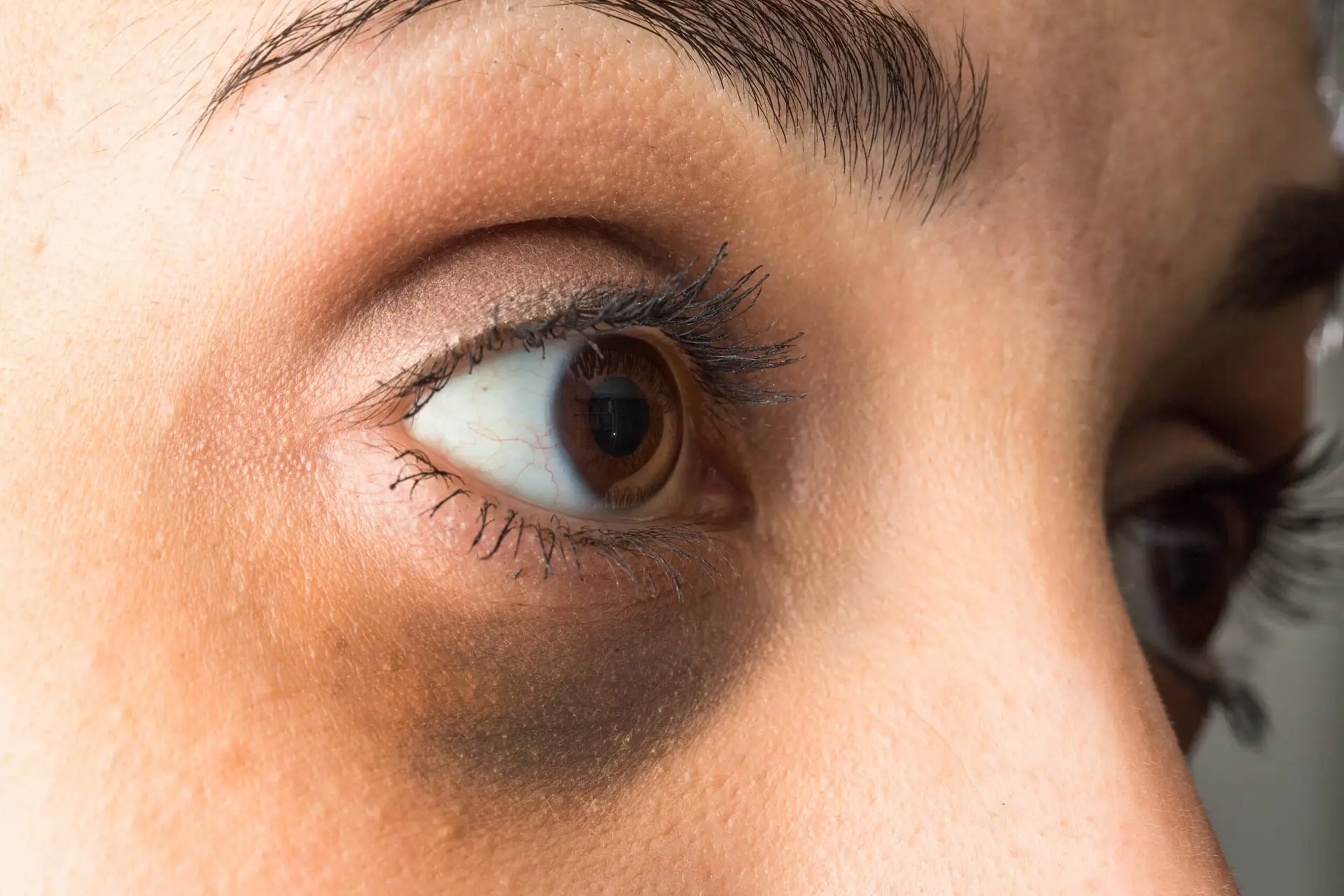
Dark circles, dark under eyes and periorbital dark circles can reflect hollowing, pigmentation, vascular show-through, under-eye skin thinning or lifestyle and allergy factors, and these causes often overlap. We assess the dominant driver before selecting treatment, because one-size under-eye plans often disappoint. Medically supervised protocols may include tear trough filler, polynucleotide injections, Plinest or Ameela, selected laser or IPL treatment, LED, skin boosters or skincare depending on the cause. This page is the destination for patients searching dark circles treatment near me, dark circles under eyes treatment or dark under eye treatment in Maidenhead, Reading, Windsor and Berkshire. Where the darkness is mainly shadow cast by tear trough hollowing or by eye bags, our under-eye hollows and eye bags pages cover those concerns separately. Safety in this high-risk area and realistic improvement over time are prioritised.
Berkshire Aesthetics is a CQC-registered medical aesthetic clinic in Maidenhead. All treatments begin with a consultation to assess suitability, medical history, risks and realistic outcomes.
Aetiology & Contributing Factors
Most skin and aesthetic concerns are multifactorial. Clinical assessment helps identify which contributing factors are most relevant in your case before treatment is selected.
- Volume loss and hollowing in the tear trough area (often age-related)
- Thin, translucent skin revealing underlying blood vessels
- Pigmentation (melanin deposition), which may be genetic or sun-related
- Vascular congestion causing a blue or purple discolouration
- Shadowing from under-eye hollows or eye bags rather than true pigment
- Fatigue, dehydration and lifestyle factors
- Allergies or chronic nasal congestion
- Genetic predisposition and ethnicity-related pigmentation patterns
Clinical Presentation
Presentation varies by skin type, severity and duration. These are common clinical signs we assess during consultation.
- Dark discolouration beneath the eyes (brown, blue or purple tones)
- Hollowing or a sunken appearance in the tear trough area
- Puffiness or fluid retention under the eyes
- A tired or aged appearance, even when well-rested
- Fine crepey lines in the under-eye skin
Dark circles treatment pathways in Maidenhead
Under-eye dark circles are usually caused by more than one factor. We assess whether your priority is hollowing, pigmentation, vascular shadowing or skin quality, then match treatment accordingly.
Hollowing and shadow
Tear trough filler or mid-face support may help when the darkness is mainly a groove or shadow.
Thin under-eye skin
Polynucleotides, Plinest, Ameela or selected skin boosters may be better when skin quality is the main issue.
Pigment or visible vessels
Laser, IPL or vascular treatment may be considered only when the cause and safety margins are suitable.
Dermal Fillers
Tear trough filler can restore volume to hollowed under-eye areas, reducing the shadowing that creates the appearance of dark circles. This is an advanced technique performed by experienced doctors, with careful patient selection to ensure suitability. Suitability and sequencing are confirmed during your consultation.
Polynucleotides
Polynucleotide injections stimulate tissue regeneration and improve skin quality in the delicate under-eye area. They can help thicken thin skin, improve hydration and reduce the visibility of dark circles over a course of treatments. Suitability and sequencing are confirmed during your consultation.
Plinest
Plinest is a polynucleotide treatment particularly well suited to the delicate under-eye area. It stimulates tissue repair, deep hydration and collagen synthesis to improve crepey skin, fine lines and dark circles. A course of 3–4 sessions is typically recommended.
Book an under-eye assessment
We provide a personalised treatment plan with realistic expectations, safety advice and pricing before you commit.
Evidence-Based Treatment Modalities
Treatment selection is individualised following clinical assessment, taking into account disease severity, Fitzpatrick skin type, medical history and patient goals. You can also review our consultation standards before booking.
Dermal Fillers treatment for dark circles
Tear trough filler can restore volume to hollowed under-eye areas, reducing the shadowing that creates the appearance of dark circles. This is an advanced technique performed by experienced doctors, with careful patient selection to ensure suitability. Suitability and sequencing are confirmed during your consultation.
Polynucleotides treatment for dark circles
Polynucleotide injections stimulate tissue regeneration and improve skin quality in the delicate under-eye area. They can help thicken thin skin, improve hydration and reduce the visibility of dark circles over a course of treatments. Suitability and sequencing are confirmed during your consultation.
Plinest treatment for dark circles
Plinest is a polynucleotide treatment particularly well suited to the delicate under-eye area. It stimulates tissue repair, deep hydration and collagen synthesis to improve crepey skin, fine lines and dark circles. A course of 3–4 sessions is typically recommended.
Dermalux Triwave MD treatment for dark circles
Dermalux LED phototherapy can support skin health and reduce inflammation in the under-eye area. Specific wavelengths promote circulation and cellular repair, complementing other dark circle treatments. Suitability and sequencing are confirmed during your consultation.
Lumenis M22 treatment for dark circles
Lumenis M22 IPL or laser pathways may be considered when pigmentation, sun damage or vascular redness contributes to the appearance of dark circles. The under-eye area is delicate, so laser suitability, settings and safety margins are assessed carefully before treatment.
Cutera Excel V+ treatment for dark circles
Cutera Excel V+ vascular laser may be relevant when visible vessels or vascular discolouration are a major component. It is not a filler substitute and is only recommended when vascular features are clearly present and safely treatable.
Ameela treatment for dark circles
Ameela polynucleotide injections are well-suited to the delicate under-eye area. The bio-stimulating action thickens thin periorbital skin and improves hydration, reducing the appearance of dark circles caused by skin translucency over visible blood vessels.
Cellenis Autologous BioFiller treatment for dark circles
Cellenis PRP uses growth factors from your own blood plasma to stimulate cellular renewal in the delicate under-eye area. It is particularly useful for dark circles caused by poor skin quality rather than volume loss, where fillers may not be appropriate.
Newest (by Mastelli) treatment for dark circles
Newest by Mastelli polynucleotide injections stimulate regeneration in the delicate under-eye skin, helping reduce dark circles caused by skin thinning and dehydration rather than volume loss.
In-Depth Guides
Explore clinically reviewed guides for detailed background, treatment pathways and recovery expectations related to dark circles.
The five causes of dark circles, how to identify your type, and the treatment that matches each.
How dark circles relate to hollowing and skin transparency.
Polynucleotides for under-eye skin quality, crepiness and tone.
Mastelli Plinest polynucleotides for thin, crepey under-eye skin.
Autologous bio-filler as a biocompatible option for the tear-trough area.
Related Questions
Short, clinically reviewed answers for common search questions related to dark circles.
Why we start with a consultation
Every treatment begins with a medical assessment. We need to understand your medical history, current health, skin condition and concerns before prescribing any procedure. This protects your safety and ensures the treatment is clinically appropriate for you.
During your consultation, your clinician will explain what the treatment can realistically achieve, any risks specific to you, and whether an alternative might be more appropriate. Consultations are carried out by our doctors or advanced aesthetic practitioners, depending on the treatment or concern being assessed.
All bookings are subject to our Booking Conditions.
Not sure what you need?
Try our free AI skin analysis to identify your main concerns and see suggested treatments.
Start free skin analysis →Clinical FAQs: Dark Circles
These answers cover common practical questions. For individual diagnosis and treatment advice, book a medical consultation.
Plan Your Next Step
Use these links to review consultation standards, check treatment pricing, and request a clinical assessment.
Clinical Summary
Clinical Governance
- Under-eye treatments are assessed carefully by doctors trained in injection techniques for this delicate area
- We identify the specific cause of your dark circles before recommending treatment — not all dark circles respond to the same approach
- Patient safety is prioritised, and we will advise against treatment if it is unlikely to achieve a meaningful improvement
Book a Consultation
Request a medical assessment for your dark circles with our clinical team.
Discuss suitabilityCall 01628 202028Not sure what you need?
Try our free AI skin analysis to identify your main concerns and see suggested treatments.
Start free skin analysis →Related Conditions
Explore related condition pages for differential context and linked treatment options.
Further Reading & Clinical References
The following external resources provide independent clinical and regulatory information.
- Periorbital dark circles— DermNet
- Dermal fillers— NHS
This content is for informational purposes only and does not constitute medical advice. Individual suitability for any treatment is assessed during a consultation. Always seek the guidance of a qualified medical professional with any questions regarding a medical condition or treatment.
- CQC registered clinic — registered and regulated
- Clinical oversight and prescribing by Dr Selena Langdon (GMC 6159259)
- Complaints process and patient rights
Page last reviewed: 2026-03-01
Request a Clinical Assessment
Book a medical consultation to discuss diagnosis and an individualised treatment protocol.