 Skip to main content
Polynucleotides in Maidenhead
Polynucleotides are injectable fragments of purified DNA used as a regenerative bio-stimulator, intended to support fibroblast activity, collagen synthesis and the skin's own repair processes in delicate areas such as the under-eye, face, neck and hands; outcomes vary by individual. We use it for delicate or compromised areas such as under-eyes, face, neck and hands where hydration, resilience and texture are the priority. Your protocol is tailored after clinical assessment of skin condition, goals and treatment history.
Book ConsultationClinical overview
Polynucleotides are highly purified DNA-derived molecules, typically sourced from salmon or trout DNA. They act as biostimulators, intended to work at a cellular level to support the skin’s natural repair processes. The mechanism is intended to support fibroblast activity, which in turn is intended to support the production of collagen, elastin and hyaluronic acid within the dermis. Outcomes vary by individual.
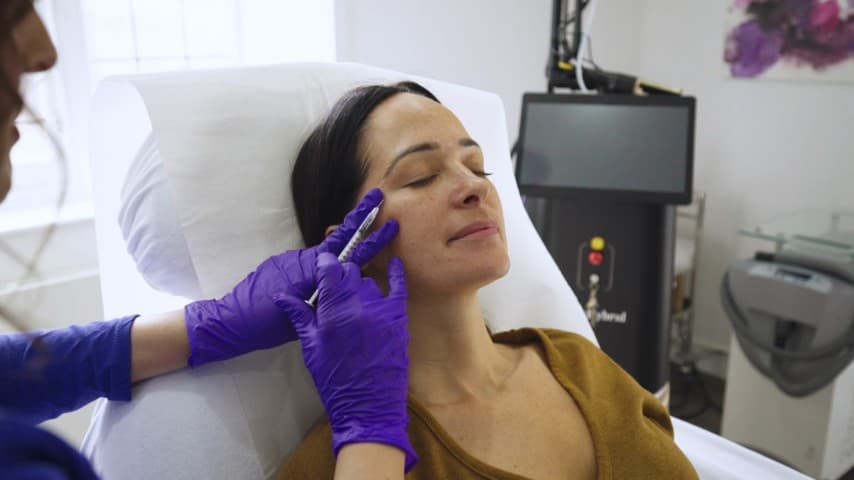
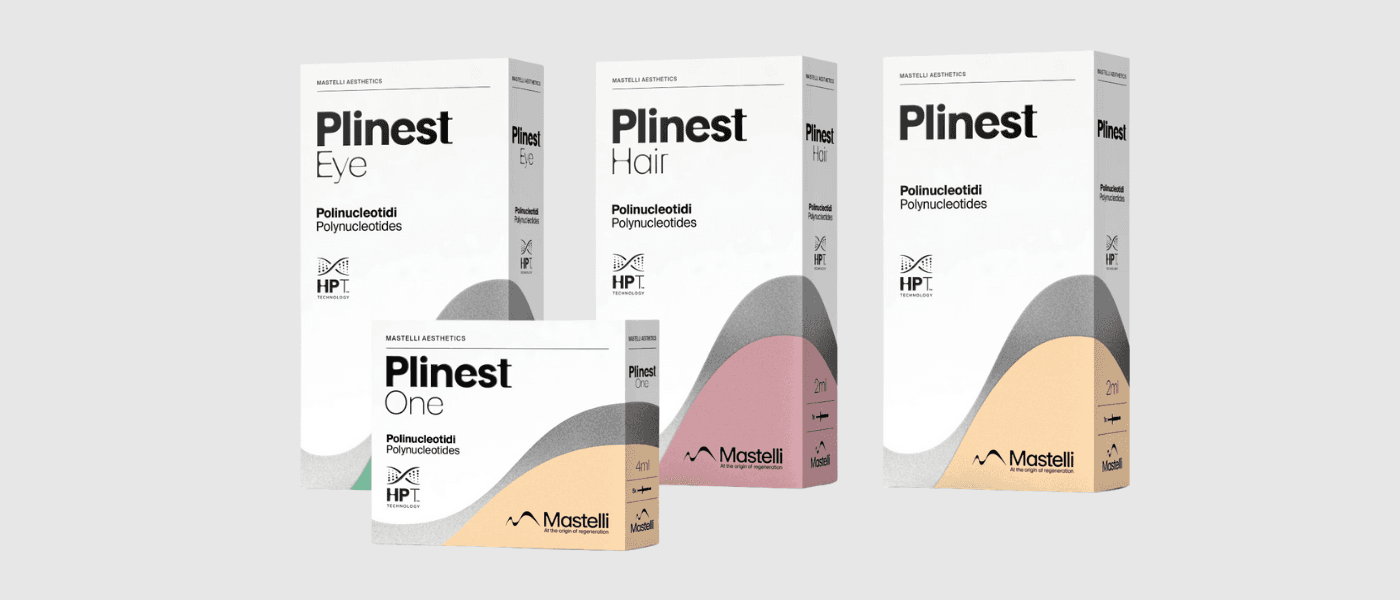
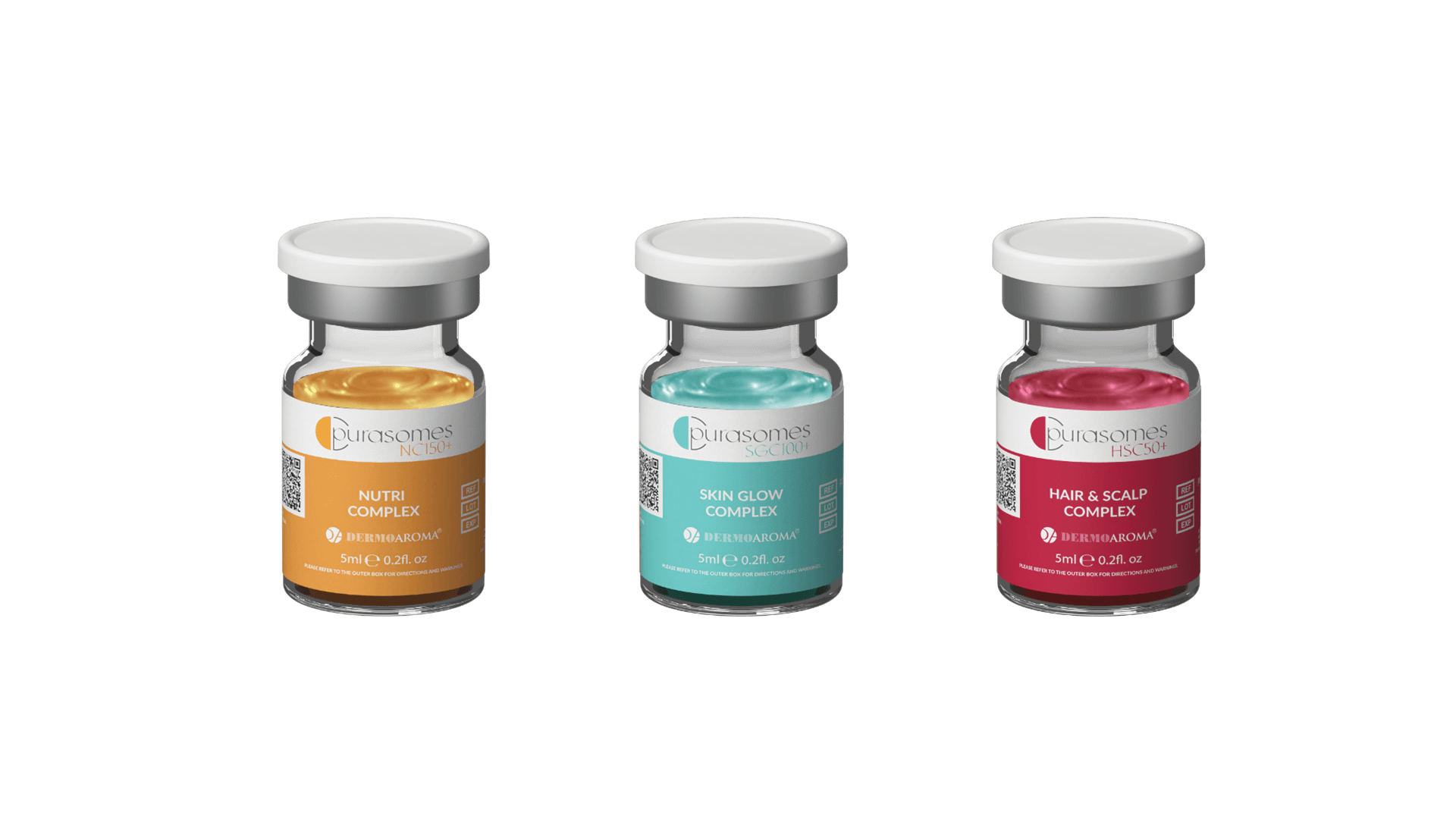
Treatment involves carefully placed injections into targeted areas. Common treatment zones include the face (around the eyes, mouth and cheeks), neck, décolletage and hands. Products used may include Ameela, Plinest, Julaine or Purasomes, selected based on the treatment area and clinical assessment.
A typical course involves 2–4 sessions spaced 2–4 weeks apart. Results are gradual, developing over 2–3 months as the skin’s regenerative response progresses. Polynucleotides are not dermal fillers and do not add volume or change facial shape — the goal is improvement in skin quality such as hydration, texture, elasticity and resilience.
Treatment Areas
Face
Polynucleotide injections across the face are intended to support fibroblast activity and collagen synthesis for improved skin quality, hydration and elasticity. This is a regenerative approach intended to work at a cellular level rather than simply adding volume. Outcomes vary by individual.
Neck
The neck is one of the most rewarding areas for polynucleotide treatment. Thin, crepey neck skin may respond to the regenerative stimulus with improved firmness, hydration and reduction in horizontal lines. Outcomes vary by individual.
Decolletage
Sun damage and ageing on the chest area are addressed with polynucleotide injections intended to support the skin's own repair processes and collagen production. Treatment aims to improve skin texture, tone and quality. Outcomes vary by individual.
Under Eyes
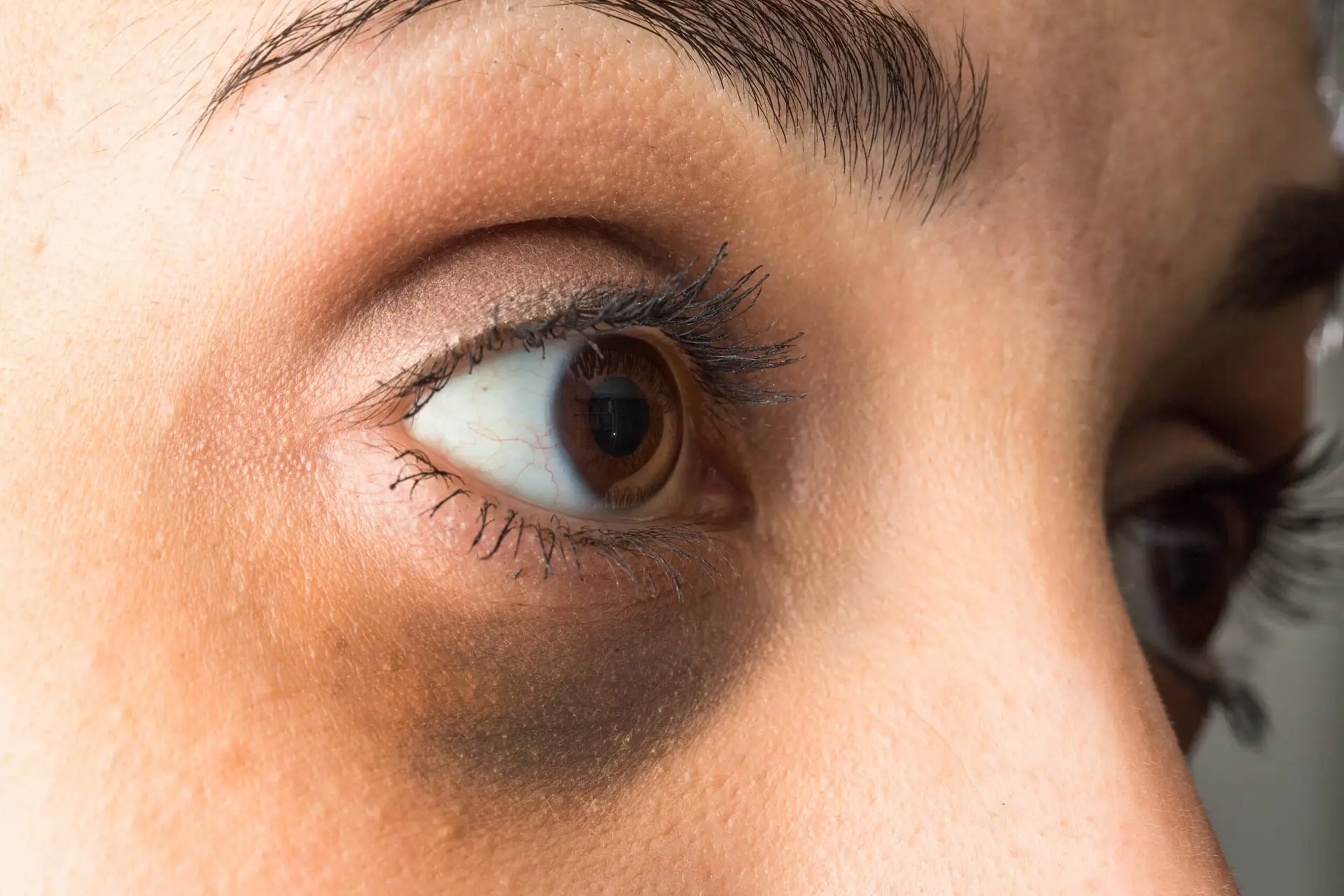
Polynucleotides are well-suited to the delicate periorbital area, improving dark circles, skin thinning and dehydration. The bio-stimulating action helps thicken fragile under-eye skin without adding filler volume.
Hands
The backs of the hands benefit from polynucleotide treatment that improves skin quality, thickness and hydration. Treatment addresses the crepey texture and visible ageing that many patients find difficult to treat.
Scalp
Polynucleotide injections into the scalp are intended to support hair follicle health and can be part of a hair restoration protocol. Growth factor signalling is intended to support hair thickness and density in patients with thinning hair. Outcomes vary by individual.
Key Benefits
These are the main clinical and practical reasons patients choose Polynucleotides in Maidenhead. Your treatment plan is tailored after consultation rather than selected from a fixed package.
- Improves skin hydration and overall skin quality
- Supports smoother texture and a healthier-looking glow
- Can improve the appearance of fine lines (skin quality-focused)
- May help improve crepey or thinning-looking skin
- Often used in delicate areas such as under-eyes, neck and hands
- Works well as part of a personalised skin regeneration plan
Suitable For
Suitability depends on your goals, skin or tissue characteristics, medical history, and tolerance for downtime. These criteria are reviewed in detail during your assessment.
- Adults looking to improve skin quality (texture, hydration, elasticity)
- Those with crepey or thinning-looking skin in areas such as under-eyes, face, neck or hands
- Patients wanting gradual, natural-looking improvement rather than added volume
- Those considering regenerative options where skin repair and resilience are the priority
- Patients open to a course of treatments for cumulative improvement
Not Suitable For
Some patients should avoid or defer treatment for safety reasons. We screen carefully before any procedure and explain alternatives where relevant.
- Pregnant or breastfeeding patients
- Patients with active infection or inflammation in the treatment area
- Those with certain autoimmune or immune-mediated conditions (case-by-case assessment required)
- Anyone with known allergy or previous significant reaction to polynucleotide products or their ingredients
- Those expecting volume restoration, lift or structural change from this treatment
Final suitability is confirmed during a medical consultation and assessment.
When we don't recommend it
A consultation may identify scenarios where a different treatment route is safer or more effective for your outcome goals.
- If your primary concern is volume loss or structural support — polynucleotides do not add volume and a different plan may be more appropriate.
- If you have active infection, inflammation or compromised skin in the treatment area — treatment should be delayed until the area is healthy.
- If autoimmune or immune-mediated conditions have not been assessed — these require careful clinical evaluation before proceeding.
- If expectations are for rapid or dramatic results — polynucleotides produce gradual improvement over several weeks to months.
- If a combination plan (such as skincare optimisation first, then staged treatments) is likely to produce a safer or more effective result.
What Happens During Treatment
We follow a consultation-first process with clear consent and aftercare. You can also review our full consultation standards.
- 1Consultation, medical history and suitability assessment
- 2Discussion of goals, areas to treat and realistic outcomes
- 3Skin cleansing and preparation of the area
- 4Topical anaesthetic may be used depending on area and technique
- 5Carefully placed injections using an approach suited to the area
- 6Aftercare guidance and follow-up plan
Downtime & Aftercare
Recovery guidance helps protect your result and reduce avoidable complications. We provide written aftercare and safety-net advice at every appointment.
- Most people return to normal activities the same day
- Possible temporary redness, swelling or small bumps at injection sites
- Bruising is possible (more common around the eyes)
- Avoid heavy exercise, alcohol and heat exposure for 24–48 hours (individual advice may vary)
- Results develop gradually over the following weeks
Results Timeline
Most treatments improve in stages rather than immediately. Timelines vary by treatment type, treatment area, and individual response.
- Immediately after: mild redness, swelling or small bumps at injection sites (varies).
- Days 2–7: early improvements in hydration and skin comfort may be noticed (varies).
- Weeks 2–6: skin texture and overall skin quality typically become clearer (varies).
- Months 2–3: cumulative improvement develops as the regenerative response progresses.
How Long Results May Last
- •How long results last varies by person, area treated and treatment plan.
- •Lifestyle, skin quality and treatment schedule can influence longevity.
- •A maintenance plan is agreed after assessing your response.
Individual results vary. View our results and photography standards
Risks & Side Effects
Every medical treatment carries potential risks. We discuss these in plain language before treatment so you can make an informed decision.
Common, Usually Temporary
- •Temporary redness, swelling or tenderness in the treated area.
- •Small bruises at injection sites.
- •Temporary itching or sensitivity (varies).
Rare but Serious
- •Prolonged or increasing swelling, or an inflammatory reaction (requires clinical review).
- •Signs of infection (rare) such as increasing redness, heat, tenderness or discharge.
- •Allergic reaction (rare).
When to Contact Us Urgently
- •Increasing pain, swelling, heat or spreading redness.
- •Any signs of allergic reaction (e.g., wheeze, facial swelling, hives).
- •Any symptom that concerns you or worsens rather than improves.
Frequently Asked Questions
These answers cover common practical questions. If you need individual advice, please book a medical consultation.
Quick Facts
Treatment Time
20–30 minutes
Downtime
Usually minimal (varies)
Results Visible
Gradual over 2–3 months
Sessions
Typically 2–4 sessions, spaced 2–4 weeks apart
Delivered by
Dr Selena Langdon — Medical DirectorMBBS, CoolSculpting Complications Expert, Aesthetic Doctor of the Year (Safety in Beauty Awards 2021), JCCP Ambassador
Why Berkshire Aesthetics
- CQC-registered medical clinic — all treatments clinically overseen by Dr Selena Langdon (MBBS)
- CQC registered — view our registration
- Consultation-first approach — we assess suitability before recommending treatment
- Clear complaints process — we take patient feedback seriously
This content is for informational purposes only and does not constitute medical advice. Individual suitability for any treatment is assessed during a consultation. Always seek the guidance of a qualified medical professional with any questions regarding a medical condition or treatment.
- CQC registered clinic — registered and regulated
- Clinical oversight and prescribing by Dr Selena Langdon (GMC 6159259)
- Complaints process and patient rights
Page last reviewed: 2026-02-09
Berkshire Aesthetics is a CQC-registered medical aesthetic clinic in Maidenhead. All treatments begin with a consultation to assess suitability, medical history, risks and realistic outcomes.
Why we start with a consultation
Every treatment begins with a medical assessment. We need to understand your medical history, current health, skin condition and concerns before prescribing any procedure. This protects your safety and ensures the treatment is clinically appropriate for you.
During your consultation, your clinician will explain what the treatment can realistically achieve, any risks specific to you, and whether an alternative might be more appropriate. Consultations are carried out by our doctors or advanced aesthetic practitioners, depending on the treatment or concern being assessed.
All bookings are subject to our Booking Conditions.
Not sure what you need?
Try our free AI skin analysis to identify your main concerns and see suggested treatments.
Start free skin analysis →Medical oversight and clinical governance
- Treatment suitability is assessed by our doctors or advanced aesthetic practitioners during a clinical consultation, depending on the treatment
- Prescribing responsibility sits with Dr Selena Langdon (GMC 6159259)
- No same-day injectable treatments for new patients
- Read our full Consultation & Safety Standards
Plan your next step with pricing, consultation guidance, and related treatment pathways.
Compare Treatment Options
Use these clinical comparison pages to understand differences in indications, longevity and downtime.
Concerns This Treatment Addresses
Each concern below explains the causes, what the assessment looks at, and every option we would consider — not only this one.
Alternatives You May Want to Consider
Every patient is different. These treatments address similar concerns and may be more suitable depending on your goals and medical history.
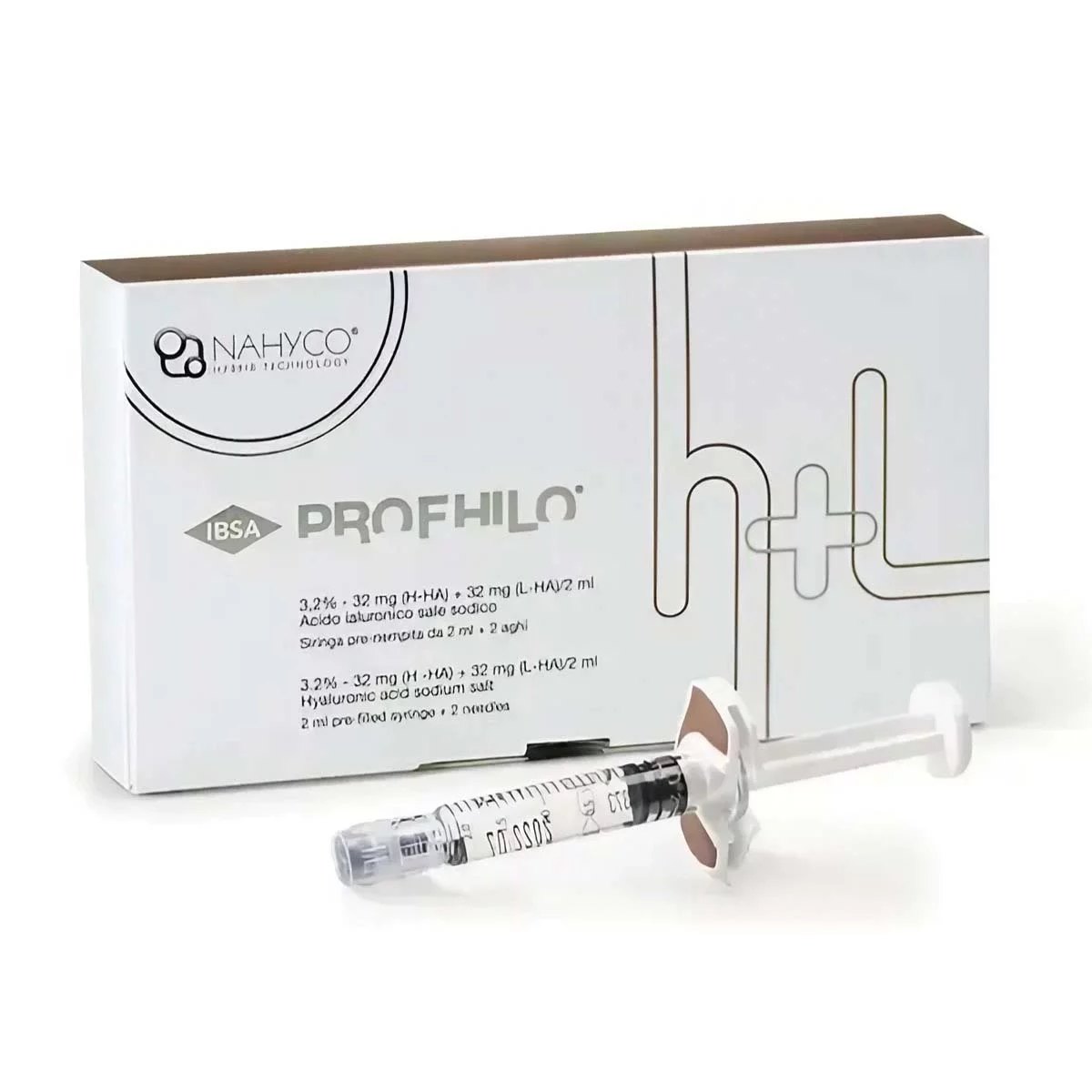
Profhilo
Hyaluronic acid bio-remodelling treatment for selected skin quality concerns.
- Skin hydration
- Collagen support
- Skin quality support
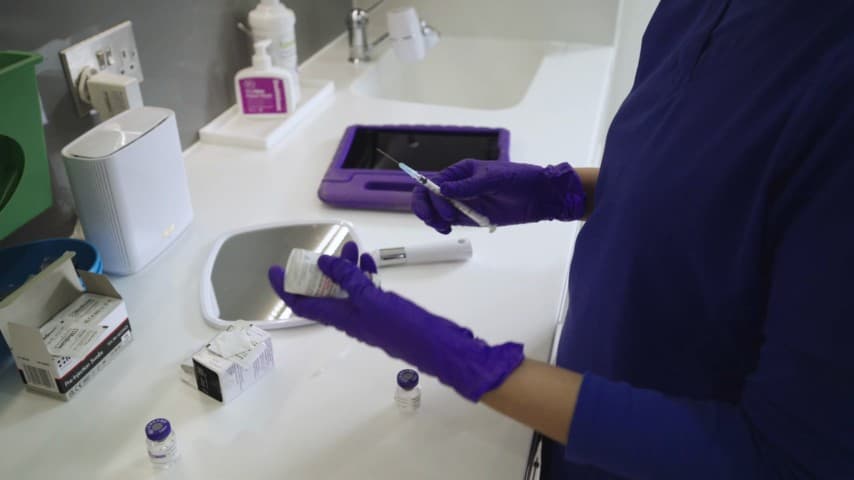
Ameela
Polynucleotide gel biostimulator for skin rejuvenation, hydration and repair at a cellular level.
- Skin rejuvenation
- Hydration support
- Skin quality support
SkinVive
Microdroplet hyaluronic acid treatment for selected cheek skin quality concerns.
- Skin smoothness
- Hydration support
- 6+ months results
Plinest
Injectable polynucleotide treatment derived from purified salmon DNA for tissue repair, hydration and collagen synthesis.
- Tissue regeneration
- Hydration support
- Collagen synthesis
Purasomes
Exosome-based regenerative treatment delivering growth factors and proteins for cellular-level skin rejuvenation.
- Cellular renewal support
- Growth factors
- Combinable with Morpheus8
Further Reading & Clinical References
The following external resources provide independent clinical and regulatory information.
- Polynucleotide vs hyaluronic acid for periocular rejuvenation: randomised split-face trial (2022)— J Dermatolog Treat, PMID 32248707
- From PDRNs to polynucleotides: molecular insights & clinical applications (2025)— Biomolecules, PMID 39858543
- Dermal fillers— NHS
- Save Face: Verified practitioners register— Save Face
Start With a Medical Consultation
Every treatment begins with a face-to-face assessment with our clinical team.