 Skip to main content
Acne Scarring Treatments
Clinical assessment and staged treatment of post-acne textural scarring
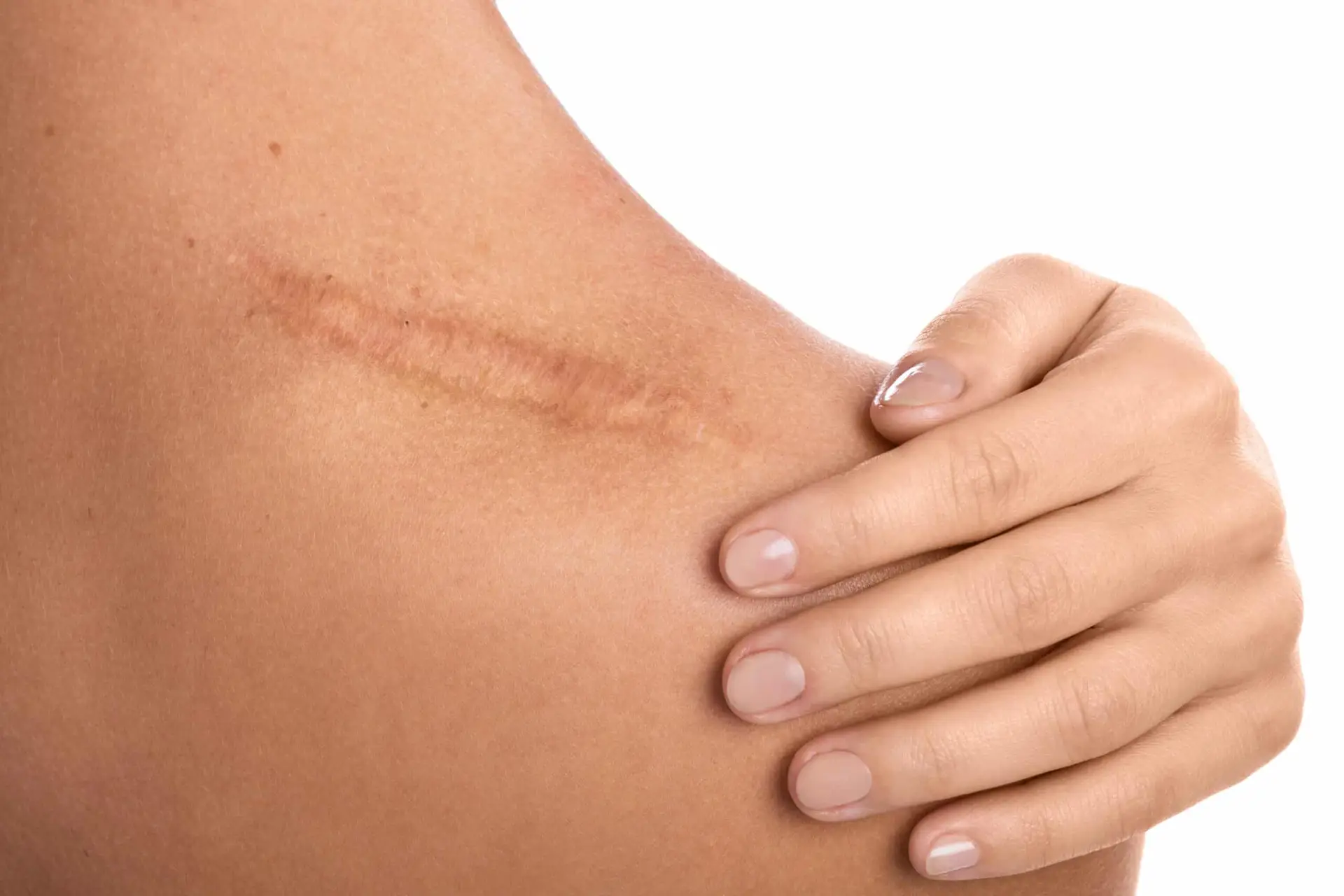
Acne scarring is persistent textural change in the dermis — including ice-pick, boxcar, rolling and hypertrophic patterns — caused by disordered collagen repair following inflammatory acne lesions. We assess whether active acne is fully controlled, identify scar patterns such as ice pick, boxcar and rolling scars, and build a medically supervised staged plan focused on measurable texture improvement.
Berkshire Aesthetics is a CQC-registered medical aesthetic clinic in Maidenhead. All treatments begin with a consultation to assess suitability, medical history, risks and realistic outcomes.
Aetiology & Contributing Factors
Most skin and aesthetic concerns are multifactorial. Clinical assessment helps identify which contributing factors are most relevant in your case before treatment is selected.
- Inflammatory acne damaging deeper dermal structures during healing
- Delayed or inadequate acne control leading to repeated inflammation
- Manipulation or picking of acne lesions
- Genetic differences in wound-healing and collagen remodelling
- Cystic or nodular acne with deeper tissue destruction
- Post-inflammatory changes after prolonged breakouts
Clinical Presentation
Presentation varies by skin type, severity and duration. These are common clinical signs we assess during consultation.
- Pitted atrophic scars including ice pick, boxcar and rolling patterns
- Irregular skin texture and uneven surface contour
- Persistent depressions after active acne has cleared
- Mixed scarring with post-inflammatory pigmentation or redness
- Raised or firm scarring in selected cases (hypertrophic tendency)
Evidence-Based Treatment Modalities
Treatment selection is individualised following clinical assessment, taking into account disease severity, Fitzpatrick skin type, medical history and patient goals. You can also review our consultation standards before booking.
Morpheus8 treatment for acne scarring
Morpheus8 RF microneedling delivers controlled thermal energy into deeper skin layers to stimulate collagen remodelling and improve rolling or moderate atrophic scarring. Treatment depth and energy are adjusted to scar pattern and skin type after clinical assessment.
Alma Hybrid CO2 treatment for acne scarring
Alma Hybrid CO2 fractional resurfacing targets deeper scar architecture and textural irregularities through ablative micro-columns and collagen regeneration. It is typically reserved for moderate to severe atrophic acne scarring in appropriately selected patients.
Lumenis M22 treatment for acne scarring
Lumenis M22 ResurFx non-ablative fractional laser stimulates collagen remodelling within the dermis to improve acne scar texture and depth. It offers a less aggressive alternative to ablative laser with shorter downtime.
Cutera Excel V+ treatment for acne scarring
Cutera Excel V+ laser can address post-acne redness (erythema) and vascular marks that persist after acne scarring. It targets the vascular component of scarring that contributes to visible redness.
SkinPen Microneedling treatment for acne scarring
SkinPen medical microneedling creates controlled micro-injury that triggers collagen and elastin renewal. It is commonly used for mild to moderate acne scarring, especially when a shorter recovery profile is preferred.
Polynucleotides treatment for acne scarring
Polynucleotide treatment supports tissue repair and dermal quality, helping optimise healing response during a wider scar protocol. It is often used as an adjunct to laser or microneedling-based treatment plans.
Chemical Peels treatment for acne scarring
Selected medical-grade peels can improve post-acne marks, superficial textural irregularities and pigmentation associated with acne scarring. Peel depth and interval are individualised to reduce irritation and pigmentation risk.
In-Depth Guides
Explore clinically reviewed guides for detailed background, treatment pathways and recovery expectations related to acne scarring.
Comprehensive guide to all acne and scarring treatments at our clinic.
Detailed guide to ice pick, boxcar and rolling scar treatments.
How laser, RF microneedling and subcision are sequenced for scar patterns.
Medically supervised fractional resurfacing for deeper acne scar types.
How persistent post-acne redness differs from scarring and PIH.
Related Questions
Short, clinically reviewed answers for common search questions related to acne scarring.
Why we start with a consultation
Every treatment begins with a medical assessment. We need to understand your medical history, current health, skin condition and concerns before prescribing any procedure. This protects your safety and ensures the treatment is clinically appropriate for you.
During your consultation, your clinician will explain what the treatment can realistically achieve, any risks specific to you, and whether an alternative might be more appropriate. Consultations are carried out by our doctors or advanced aesthetic practitioners, depending on the treatment or concern being assessed.
All bookings are subject to our Booking Conditions.
Not sure what you need?
Try our free AI skin analysis to identify your main concerns and see suggested treatments.
Start free skin analysis →Clinical FAQs: Acne Scarring
These answers cover common practical questions. For individual diagnosis and treatment advice, book a medical consultation.
Plan Your Next Step
Use these links to review consultation standards, check treatment pricing, and request a clinical assessment.
Clinical Summary
Clinical Governance
- Medically supervised scar classification and treatment sequencing with clear clinical rationale
- Access to multimodal scar technologies including Morpheus8, SkinPen and Alma Hybrid CO2
- Protocols adapted for Fitzpatrick skin type and pigmentation risk with honest expectation setting
Book a Consultation
Request a medical assessment for your acne scarring with our clinical team.
Discuss suitabilityCall 01628 202028Not sure what you need?
Try our free AI skin analysis to identify your main concerns and see suggested treatments.
Start free skin analysis →Related Conditions
Explore related condition pages for differential context and linked treatment options.
Further Reading & Clinical References
The following external resources provide independent clinical and regulatory information.
- Acne— NHS
- Scars— NHS
- Acne scars— DermNet
This content is for informational purposes only and does not constitute medical advice. Individual suitability for any treatment is assessed during a consultation. Always seek the guidance of a qualified medical professional with any questions regarding a medical condition or treatment.
- CQC registered clinic — registered and regulated
- Clinical oversight and prescribing by Dr Selena Langdon (GMC 6159259)
- Complaints process and patient rights
Page last reviewed: 2026-03-01

Request a Clinical Assessment
Book a medical consultation to discuss diagnosis and an individualised treatment protocol.