 Skip to main content
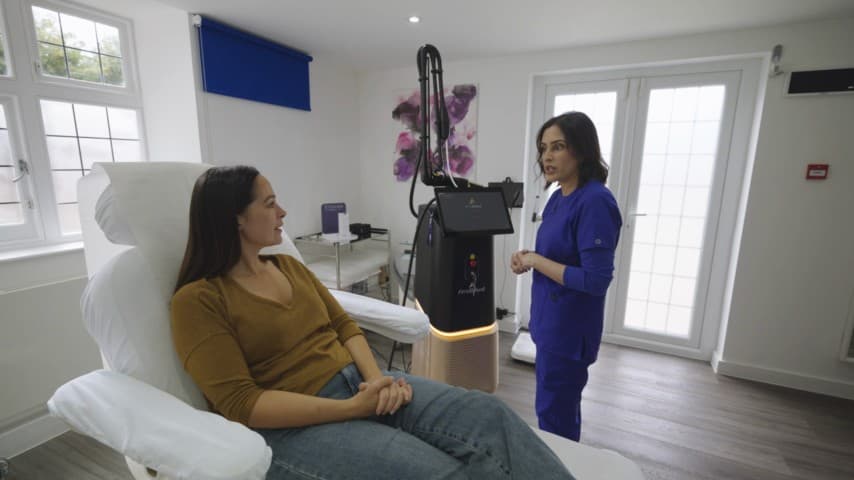
Alma Hybrid CO2 Laser
Alma Hybrid CO2 is a hybrid ablative and non-ablative fractional laser that combines CO2 with 1570nm wavelengths to resurface significant textural change, scarring and photoageing. By combining ablative CO2 with non-ablative 1570nm delivery, treatment can be tuned to balance impact and recovery. We use strict medically supervised selection and preparation protocols to optimise safety, especially in pigmentation-prone skin.
Book ConsultationClinical overview
The Alma Hybrid system combines two laser wavelengths in a single platform. The CO2 (10,600nm) wavelength provides ablative resurfacing — removing the outermost damaged skin layers to stimulate renewal. The 1570nm wavelength delivers non-ablative energy deeper into the dermis to stimulate collagen remodelling without surface disruption. By combining both wavelengths, the system aims to achieve meaningful resurfacing results with a shorter recovery period than traditional fully ablative CO2 lasers.
The treatment is used for concerns including acne scarring, surgical scars, stretch marks, sun damage, pigmentation irregularities, fine lines, wrinkles and overall skin texture improvement. Treatment depth and energy settings are adjusted based on the area being treated, skin type and the specific concern.
Downtime is more significant than with non-ablative treatments alone. Patients should expect 5–10 days of social downtime with redness, swelling, crusting and peeling as the skin heals. Strict sun avoidance is essential during recovery. The treatment is not suitable for very dark skin tones without specialist assessment due to an increased risk of post-inflammatory hyperpigmentation, and is contraindicated in pregnancy and active skin infections.
CO2 laser resurfacing at Berkshire Aesthetics
The Alma Hybrid is the platform we use to deliver CO2 laser skin resurfacing. Whether it is the right treatment for you depends on what you are treating, your skin type and how much recovery you can accommodate — the pages below cover each of those in detail. Outcomes vary by individual.
Treatment Areas
Full Face
Fractional CO2 resurfacing addresses fine lines, deeper wrinkles, textural irregularities and sun damage across the entire face. The Alma Hybrid combines ablative and non-ablative wavelengths for controlled skin renewal with reduced downtime compared to fully ablative lasers.
Perioral Area (Around the Mouth)
Vertical lip lines and crepey skin around the mouth respond well to fractional CO2. The laser resurfaces the thin perioral skin to smooth smoker lines and textural roughness.
Periorbital Area (Around the Eyes)
Fine lines, crepey texture and crows feet around the eyes are treated with carefully adjusted laser parameters. This delicate area benefits from the Hybrids ability to blend ablative precision with gentler non-ablative wavelengths.
Neck
Horizontal neck lines, crepey texture and sun-damaged skin on the neck are treated at lower energy settings than the face due to thinner skin.
Decolletage
Sun damage, freckling and textural changes on the chest area are addressed with adjusted laser parameters. The decolletage heals differently from the face, so treatment protocols are adapted accordingly.
Hands
Age spots, sun damage and crepey skin on the backs of the hands can be improved with fractional CO2 resurfacing. Treatment stimulates collagen renewal to restore a smoother, more even-toned appearance.
Acne Scars
Ice-pick, boxcar and rolling acne scars are a primary indication for CO2 resurfacing. The laser creates controlled micro-injuries that trigger collagen remodelling, progressively improving scar depth and texture over a course of treatments.
Pigmentation and Sun Damage
Localised pigmentation, age spots and diffuse sun damage are addressed as the laser removes the superficial pigmented skin layer and stimulates fresh, more evenly pigmented skin.
Key Benefits
These are the main clinical and practical reasons patients choose Alma Hybrid CO2 Laser. Your treatment plan is tailored after consultation rather than selected from a fixed package.
- Reduces the appearance of scars (acne, surgical, stretch marks)
- Improves skin texture, tone and surface irregularities
- Treats fine lines, wrinkles and sun damage
- Stimulates deep collagen remodelling
- Customisable treatment depth and intensity
- Reduced downtime compared to traditional fully ablative CO2 lasers
Suitable For
Suitability depends on your goals, skin or tissue characteristics, medical history, and tolerance for downtime. These criteria are reviewed in detail during your assessment.
- Those with acne scarring, surgical scars or stretch marks seeking improvement
- Patients with sun-damaged skin, pigmentation irregularities or photoageing
- Adults seeking significant skin texture improvement and willing to accept downtime
- Those with fine lines or wrinkles who want more intensive resurfacing than non-ablative options
- Patients with lighter to medium skin tones (Fitzpatrick I–IV; darker tones require specialist assessment)
Not Suitable For
Some patients should avoid or defer treatment for safety reasons. We screen carefully before any procedure and explain alternatives where relevant.
- Very dark skin tones (Fitzpatrick V–VI) without specialist assessment and modified protocols due to higher PIH risk
- Those with active skin infections, cold sores (herpes simplex) or open wounds in the treatment area
- Pregnant or breastfeeding women
- Patients with a history of keloid or hypertrophic scarring
- Those on isotretinoin or who have used it within the past 6–12 months (depending on protocol)
- Anyone unable to commit to the required downtime and strict sun avoidance aftercare
Final suitability is confirmed during a medical consultation and assessment.
When we don't recommend it
A consultation may identify scenarios where a different treatment route is safer or more effective for your outcome goals.
- If your skin type carries a high risk of post-inflammatory hyperpigmentation and appropriate precautions cannot be taken — we may recommend an alternative treatment with a better safety profile for your skin.
- If you have active herpes simplex (cold sores) or skin infection in or near the treatment area — treatment must be delayed and antiviral cover may be considered.
- If you cannot commit to 5–10 days of social downtime and strict sun avoidance — less intensive options may be more practical.
- If your concerns would be better addressed by a different modality — for example, chemical peels for superficial texture issues, or dermal fillers for volume loss.
- If you are on isotretinoin or certain photosensitising medications — these need to be discontinued for an appropriate washout period before laser treatment.
What Happens During Treatment
We follow a consultation-first process with clear consent and aftercare. You can also review our full consultation standards.
- 1Comprehensive skin consultation, medical history review and suitability assessment
- 2Application of topical anaesthetic cream (typically 30–60 minutes before treatment)
- 3Laser treatment delivered across the target area (30–45 minutes depending on area size)
- 4Cooling and soothing gel or dressing applied after treatment
- 5Detailed aftercare instructions and follow-up plan discussed
Downtime & Aftercare
Recovery guidance helps protect your result and reduce avoidable complications. We provide written aftercare and safety-net advice at every appointment.
- 5–10 days of social downtime with redness, swelling, crusting and peeling
- Swelling is usually most noticeable in the first 48–72 hours
- Skin may crust and peel as the healing process progresses
- Residual redness can persist for several weeks to months after CO2 laser, depending on the treatment settings used and your skin type — this is expected and fades gradually
- Strict sun avoidance for at least 4–6 weeks; SPF 50 must be used consistently once skin has healed
- Use only the recommended gentle skincare products during recovery
Results Timeline
Most treatments improve in stages rather than immediately. Timelines vary by treatment type, treatment area, and individual response.
- Immediately after: redness, swelling and a sunburn-like sensation (expected).
- Days 2–7: swelling peaks then subsides; crusting and peeling occur as healing progresses.
- Weeks 2–4: new skin emerges; residual pinkness may persist.
- Months 3–6: collagen remodelling continues; full improvement develops gradually.
How Long Results May Last
- •Results for scarring can be long-lasting as the skin has been structurally remodelled.
- •Skin ageing and sun exposure will continue over time; sun protection helps maintain improvements.
- •Additional sessions may be recommended for deeper or more extensive concerns.
Individual results vary. View our results and photography standards
Risks & Side Effects
Every medical treatment carries potential risks. We discuss these in plain language before treatment so you can make an informed decision.
Common, Usually Temporary
- •Redness, swelling and tenderness (expected during healing).
- •Crusting and peeling as the skin regenerates.
- •Temporary sensitivity and dryness in the treated area.
Rare but Serious
- •Post-inflammatory hyperpigmentation or hypopigmentation (risk higher in darker skin tones).
- •Infection (rare with appropriate aftercare).
- •Scarring or herpes simplex reactivation (rare).
When to Contact Us Urgently
- •Increasing pain, swelling, heat or spreading redness beyond expected healing.
- •Signs of infection such as discharge, pus, increasing tenderness or fever.
- •Any symptom that concerns you or worsens rather than improves.
Frequently Asked Questions
These answers cover common practical questions. If you need individual advice, please book a medical consultation.
Quick Facts
Treatment Time
30–45 minutes (plus numbing time)
Downtime
5–10 days social downtime
Results Visible
Improvement over 3–6 months
Sessions
1–3 sessions, spaced 6–8 weeks apart
Delivered by
Dr Selena Langdon — Medical DirectorMBBS, CoolSculpting Complications Expert, Aesthetic Doctor of the Year (Safety in Beauty Awards 2021), JCCP Ambassador
Why Berkshire Aesthetics
- CQC-registered medical clinic — all treatments clinically overseen by Dr Selena Langdon (MBBS)
- CQC registered — view our registration
- Consultation-first approach — we assess suitability before recommending treatment
- Clear complaints process — we take patient feedback seriously
This content is for informational purposes only and does not constitute medical advice. Individual suitability for any treatment is assessed during a consultation. Always seek the guidance of a qualified medical professional with any questions regarding a medical condition or treatment.
- CQC registered clinic — registered and regulated
- Clinical oversight and prescribing by Dr Selena Langdon (GMC 6159259)
- Complaints process and patient rights
Page last reviewed: 2026-02-09
Berkshire Aesthetics is a CQC-registered medical aesthetic clinic in Maidenhead. All treatments begin with a consultation to assess suitability, medical history, risks and realistic outcomes.
Why we start with a consultation
Every treatment begins with a medical assessment. We need to understand your medical history, current health, skin condition and concerns before prescribing any procedure. This protects your safety and ensures the treatment is clinically appropriate for you.
During your consultation, your clinician will explain what the treatment can realistically achieve, any risks specific to you, and whether an alternative might be more appropriate. Consultations are carried out by our doctors or advanced aesthetic practitioners, depending on the treatment or concern being assessed.
All bookings are subject to our Booking Conditions.
Not sure what you need?
Try our free AI skin analysis to identify your main concerns and see suggested treatments.
Start free skin analysis →Medical oversight and clinical governance
- Treatment suitability is assessed by our doctors or advanced aesthetic practitioners during a clinical consultation, depending on the treatment
- Prescribing responsibility sits with Dr Selena Langdon (GMC 6159259)
- No same-day injectable treatments for new patients
- Read our full Consultation & Safety Standards
Plan your next step with pricing, consultation guidance, and related treatment pathways.
Compare Treatment Options
Use these clinical comparison pages to understand differences in indications, longevity and downtime.
Concerns This Treatment Addresses
Each concern below explains the causes, what the assessment looks at, and every option we would consider — not only this one.
Alternatives You May Want to Consider
Every patient is different. These treatments address similar concerns and may be more suitable depending on your goals and medical history.
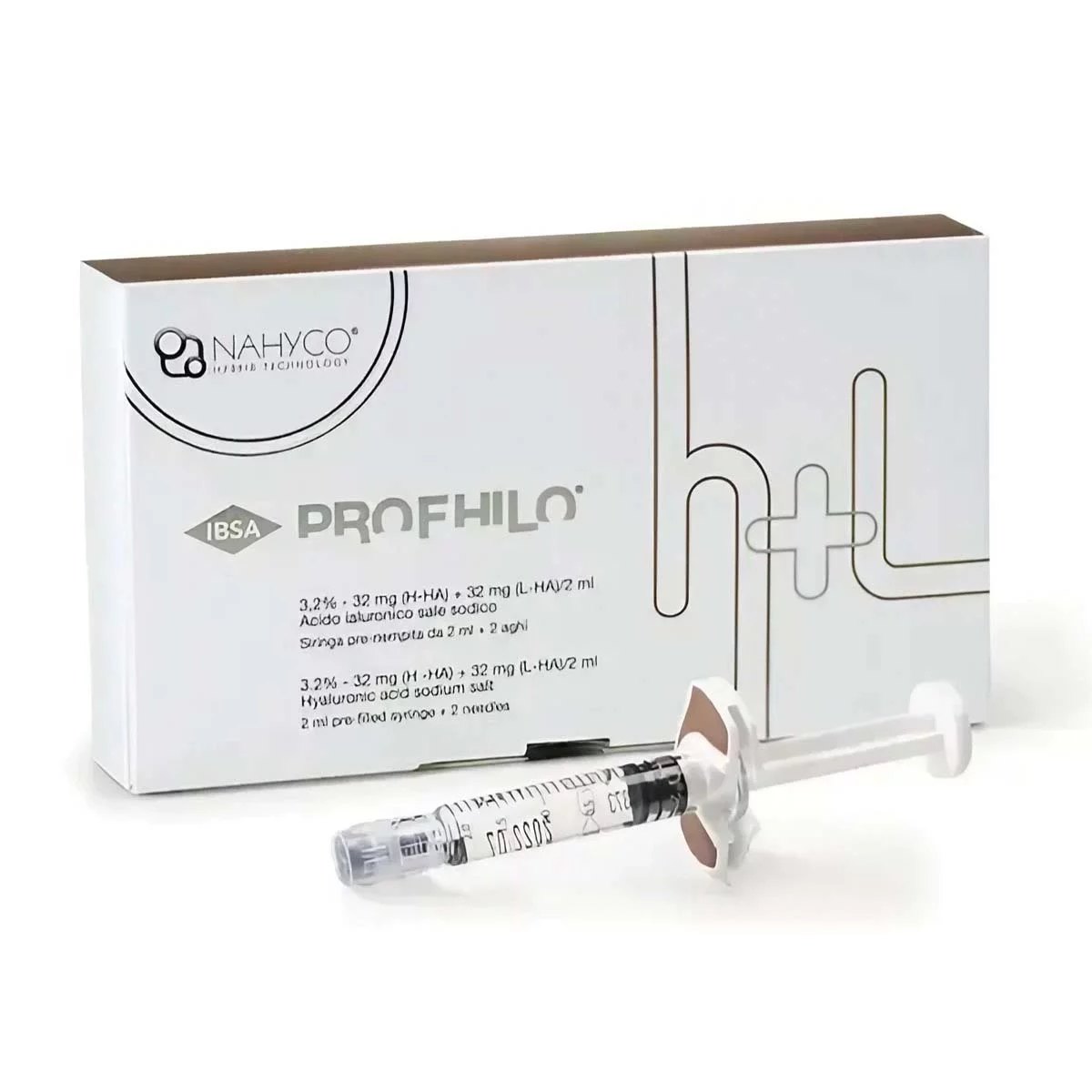
Profhilo
Hyaluronic acid bio-remodelling treatment for selected skin quality concerns.
- Skin hydration
- Collagen support
- Skin quality support
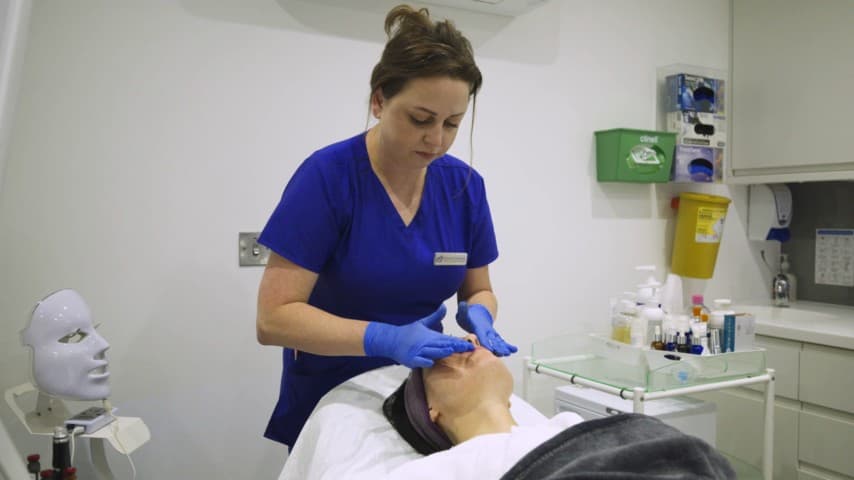
Morpheus8
Radiofrequency microneedling for selected patients with skin laxity, acne scarring, texture and pore concerns.
- Skin tightening
- Texture support
- Acne scar planning
Chemical Peels
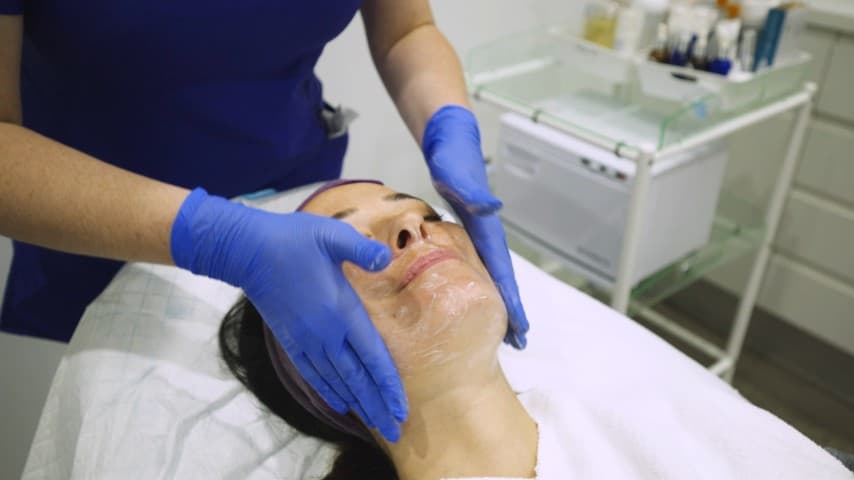
Medical-grade peels for skin renewal and improved complexion.
- Skin renewal
- Improved tone
- Acne treatment
SkinPen Microneedling
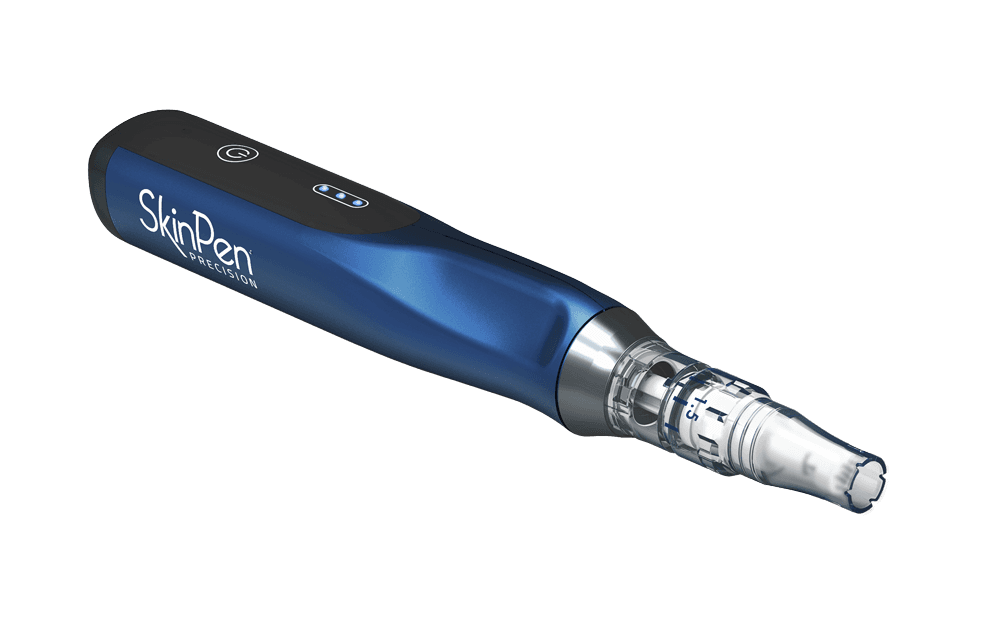
Medical microneedling for acne scarring, fine lines, pores and uneven texture. Suitable for all skin tones.
- Collagen stimulation
- Scar reduction
- All skin tones
Pixel Peel
Laser skin renewal using the Alma Hybrid system for selected texture concerns, with suitability assessed first.
- Texture support
- Brighter, more even tone
- Minimal downtime
Further Reading & Clinical References
The following external resources provide independent clinical and regulatory information.
- Fractional CO2 laser for atrophic acne scars: meta-analysis & systematic review (2024)— J Cosmet Dermatol, PMID 38733085
- Efficacy of fractional CO2 laser in acne scar treatment: meta-analysis (2021)— Dermatol Ther, PMID 33190373
- Laser resurfacing— NHS
- Laser resurfacing for skin— DermNet
Start With a Medical Consultation
Every treatment begins with a face-to-face assessment with our clinical team.