 Skip to main content

Microsclerotherapy for leg thread veins in Maidenhead
Microsclerotherapy is the established treatment for leg thread veins and spider veins, using precise injections of a sclerosant solution to close and fade visible surface veins. At Berkshire Aesthetics in Maidenhead, suitability is assessed clinically in our CQC-registered medical clinic, including whether larger varicose veins or underlying venous reflux need referral before cosmetic treatment.
Book ConsultationThread vein treatment in Maidenhead
Book assessment, check suitability, or read the full guide
Most visitors arriving here want to know whether their leg veins are suitable for microsclerotherapy, how many sessions they may need, and when a vascular referral is safer than cosmetic treatment.
Clinical overview
Microsclerotherapy involves injecting a sclerosant solution directly into visible thread veins and spider veins on the legs using a very fine needle. The sclerosant irritates the vein lining, causing the vessel to close and gradually fade as the body clears it over the following weeks.
This treatment is widely regarded as the standard approach for superficial leg thread veins (telangiectasias) and small spider veins. It is not designed for larger varicose veins, which may require duplex ultrasound assessment and treatment by a vascular specialist before any cosmetic surface-vein work.
Each session takes approximately 20-40 minutes. Most patients require 1-3 sessions depending on the number, size and distribution of veins. No anaesthesia is needed; patients typically experience only a mild stinging sensation during injection. Compression stockings are worn for up to one week after treatment to support the treated veins and optimise results.
Suitability is confirmed during consultation, where we assess the extent and type of your veins, medical history, DVT risk factors, symptoms such as aching or heaviness, and whether microsclerotherapy is the most appropriate treatment for your concern.
Why choose Berkshire Aesthetics for leg thread veins?
Microsclerotherapy is a medical vein treatment, not a salon treatment. We assess whether the visible veins are suitable for injection, whether larger varicose veins or venous reflux need investigation first, and what a realistic treatment course would look like before proceeding.
Clinical vein assessment
Consultation reviews symptoms, vein pattern, medical history, DVT risk, medication and compression suitability before treatment.
Referral when appropriate
Aching, swelling, skin changes or obvious varicose veins may need vascular ultrasound or specialist review before cosmetic treatment.
CQC-registered medical clinic
Treatment sits within the same clinical governance, consent and safety-netting standards as our other medically supervised procedures.
Clear aftercare plan
You leave with compression guidance, activity advice, what to expect as veins darken then fade, and when to contact the clinic.
Treatment Areas
Lower Legs
Thread veins on the lower legs are the most commonly treated area. A sclerosant solution is injected directly into the affected veins using a very fine needle, causing them to collapse and gradually fade over several weeks.
Behind the Knees
The area behind the knees is prone to clusters of thread veins. Microsclerotherapy effectively treats these visible vessels, which are often a source of self-consciousness during warmer months.
Ankles
Thread veins around the ankles are treated with precise injections of sclerosant solution. This area requires careful technique due to the proximity of important structures.
Thighs
Spider veins and thread veins on the thighs are addressed with microsclerotherapy. Larger feeding veins may need to be treated first to prevent recurrence of smaller surface vessels.
Key Benefits
These are the main clinical and practical reasons patients choose Microsclerotherapy for leg thread veins in Maidenhead. Your treatment plan is tailored after consultation rather than selected from a fixed package.
- Established treatment for leg thread veins and spider veins
- Precise sclerosant injection targets individual visible veins
- Quick procedure - each session takes approximately 20-40 minutes
- No anaesthesia required (mild stinging sensation only)
- Treated veins gradually fade over the following weeks
- Medical assessment helps identify when vascular referral is safer than cosmetic treatment
Suitable For
Suitability depends on your goals, skin or tissue characteristics, medical history, and tolerance for downtime. These criteria are reviewed in detail during your assessment.
- Visible thread veins (telangiectasias) or spider veins on the legs
- Patients who want to reduce the appearance of superficial leg veins
- Those who have been advised that their veins are suitable for sclerotherapy (not varicose veins)
- People who are comfortable wearing compression stockings for up to one week after treatment
- Patients in general good health with no significant underlying venous disease
- Patients seeking a medical assessment before deciding between sclerotherapy, vascular referral or laser for facial vessels
Not Suitable For
Some patients should avoid or defer treatment for safety reasons. We screen carefully before any procedure and explain alternatives where relevant.
- Large varicose veins (these require specialist vascular assessment)
- Active deep vein thrombosis (DVT) or a history of recurrent DVT
- Pregnancy or breastfeeding
- Active infection or inflammation in the legs
- Known allergy to sclerosant agents (discussed during consultation)
Final suitability is confirmed during a medical consultation and assessment.
When we don't recommend it
A consultation may identify scenarios where a different treatment route is safer or more effective for your outcome goals.
- If veins are varicose rather than thread/spider veins - larger varicose veins require specialist vascular assessment and treatment, and we will advise accordingly.
- If there is a history of DVT or significant venous disease - microsclerotherapy may not be safe and we will discuss appropriate alternatives or referral.
- If you are unable to wear compression stockings after treatment - compression is important for optimal results and recovery.
- If expectations are for immediate disappearance of veins - treated veins fade gradually over weeks and some may require more than one session.
- If the veins are caused by an underlying condition that should be investigated first - we may recommend further assessment before proceeding with cosmetic treatment.
What Happens During Treatment
We follow a consultation-first process with clear consent and aftercare. You can also review our full consultation standards.
- 1Clinical consultation and assessment of your leg veins, including their size, distribution and type
- 2Discussion of expected outcomes, number of sessions likely required, limitations and risks
- 3The sclerosant solution is injected into targeted veins using a very fine needle - you may feel a mild stinging sensation
- 4Each session treats multiple veins and takes approximately 20-40 minutes
- 5Compression stockings are applied after treatment - you are advised to walk immediately and stay active
Downtime & Aftercare
Recovery guidance helps protect your result and reduce avoidable complications. We provide written aftercare and safety-net advice at every appointment.
- Wear compression stockings as instructed (typically up to one week)
- Walking is encouraged immediately after treatment - stay active to support circulation
- Avoid heavy exercise, prolonged standing and hot baths for 2-3 days
- Mild bruising, redness or tenderness at injection sites is normal and settles over days
- If you notice unexpected or worsening symptoms, contact the clinic for advice
Results Timeline
Most treatments improve in stages rather than immediately. Timelines vary by treatment type, treatment area, and individual response.
- Treated veins do not disappear immediately - they gradually fade over 4-8 weeks.
- Some veins darken before they fade; this can be a normal part of the vessel-closure response.
- Most patients require 1-3 sessions depending on the number and distribution of veins.
- Final results are assessed at a follow-up appointment, with additional sessions arranged if needed.
How Long Results May Last
- •Successfully treated veins are closed and are not expected to return, although new thread veins can develop over time.
- •New thread veins can develop over time due to genetics, hormonal factors or lifestyle - these can be treated in future sessions.
- •Maintaining a healthy lifestyle and avoiding prolonged standing can help minimise the development of new veins.
Individual results vary. View our results and photography standards
Risks & Side Effects
Every medical treatment carries potential risks. We discuss these in plain language before treatment so you can make an informed decision.
Common, Usually Temporary
- •Mild stinging during injection (temporary and well tolerated)
- •Bruising at injection sites (settles within days to weeks)
- •Temporary redness or tenderness along treated veins
Rare but Serious
- •Skin staining (brown discolouration) along treated veins (uncommon; usually fades over months)
- •Matting - development of very fine new vessels near treated veins (uncommon; may settle or require further treatment)
- •Ulceration or skin necrosis at the injection site (very rare)
- •Deep vein thrombosis (extremely rare; risk factors are assessed during consultation)
When to Contact Us Urgently
- •Significant or increasing pain, swelling or redness in the leg
- •Signs of infection such as warmth, discharge or fever
- •Any symptoms of DVT such as sudden calf swelling, pain or difficulty walking
Frequently Asked Questions
These answers cover common practical questions. If you need individual advice, please book a medical consultation.
Quick Facts
Treatment Time
20-40 minutes per session
Downtime
Minimal - compression stockings worn up to 1 week; avoid heavy exercise 2-3 days
Results Visible
Veins gradually fade over 4-8 weeks
Sessions
Typically 1-3 sessions
Delivered by
Dr Selena Langdon — Medical DirectorMBBS, CoolSculpting Complications Expert, Aesthetic Doctor of the Year (Safety in Beauty Awards 2021), JCCP Ambassador
Why Berkshire Aesthetics
- CQC-registered medical clinic — all treatments clinically overseen by Dr Selena Langdon (MBBS)
- CQC registered — view our registration
- Consultation-first approach — we assess suitability before recommending treatment
- Clear complaints process — we take patient feedback seriously
This content is for informational purposes only and does not constitute medical advice. Individual suitability for any treatment is assessed during a consultation. Always seek the guidance of a qualified medical professional with any questions regarding a medical condition or treatment.
- CQC registered clinic — registered and regulated
- Clinical oversight and prescribing by Dr Selena Langdon (GMC 6159259)
- Complaints process and patient rights
Page last reviewed: 2026-05-18
Berkshire Aesthetics is a CQC-registered medical aesthetic clinic in Maidenhead. All treatments begin with a consultation to assess suitability, medical history, risks and realistic outcomes.
Why we start with a consultation
Every treatment begins with a medical assessment. We need to understand your medical history, current health, skin condition and concerns before prescribing any procedure. This protects your safety and ensures the treatment is clinically appropriate for you.
During your consultation, your clinician will explain what the treatment can realistically achieve, any risks specific to you, and whether an alternative might be more appropriate. Consultations are carried out by our doctors or advanced aesthetic practitioners, depending on the treatment or concern being assessed.
All bookings are subject to our Booking Conditions.
Not sure what you need?
Try our free AI skin analysis to identify your main concerns and see suggested treatments.
Start free skin analysis →Medical oversight and clinical governance
- Treatment suitability is assessed by our doctors or advanced aesthetic practitioners during a clinical consultation, depending on the treatment
- Prescribing responsibility sits with Dr Selena Langdon (GMC 6159259)
- No same-day injectable treatments for new patients
- Read our full Consultation & Safety Standards
Plan your next step with pricing, consultation guidance, and related treatment pathways.
Related Questions
Short answers and comparison pages for common questions before booking.
Compare Treatment Options
Use these clinical comparison pages to understand differences in indications, longevity and downtime.
Concerns This Treatment Addresses
Each concern below explains the causes, what the assessment looks at, and every option we would consider — not only this one.
Alternatives You May Want to Consider
Every patient is different. These treatments address similar concerns and may be more suitable depending on your goals and medical history.

Cutera Excel V+
Medical vascular and pigment laser platform for rosacea, vascular lesions, diffuse redness, pigmentation and selected acne scar protocols.
- Targets vascular and pigment concerns
- Versatile facial and body indications
- medical treatment planning
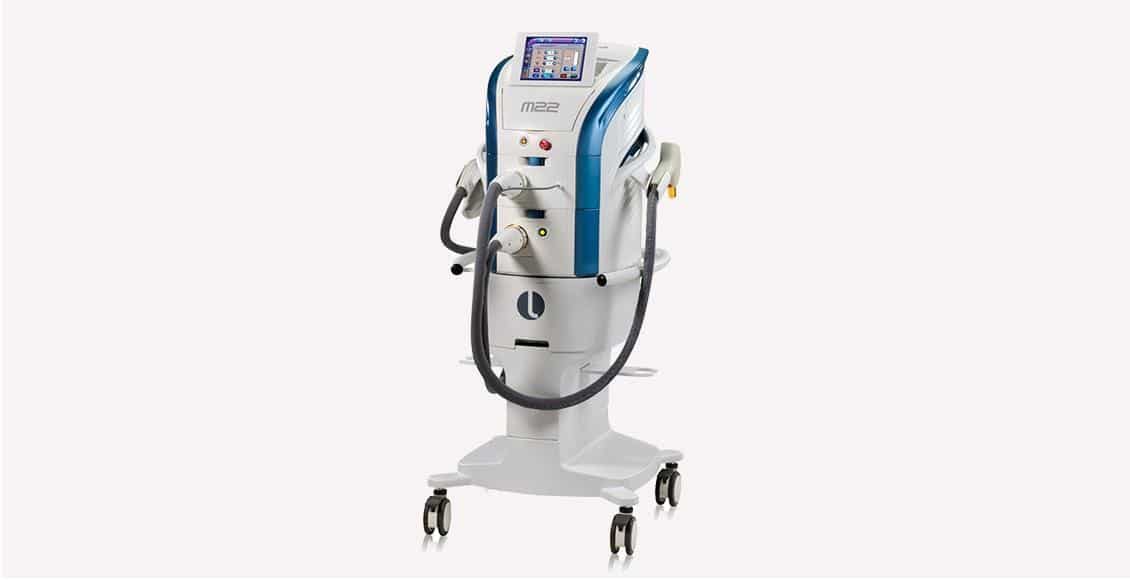
Lumenis M22
Multi-module platform for IPL rejuvenation, vascular and pigment pathways, ResurFx fractional laser, Q-Switch treatments and selected tattoo removal.
- IPL, fractional and Q-Switch options
- Custom protocols by indication
- Suitable for broad treatment menus
Further Reading & Clinical References
The following external resources provide independent clinical and regulatory information.
- Sclerotherapy— DermNet
- Thread veins— BAD
Start With a Medical Consultation
Every treatment begins with a face-to-face assessment with our clinical team.