 Skip to main content
Rosacea Treatments
Medical assessment and long-term management of rosacea subtypes
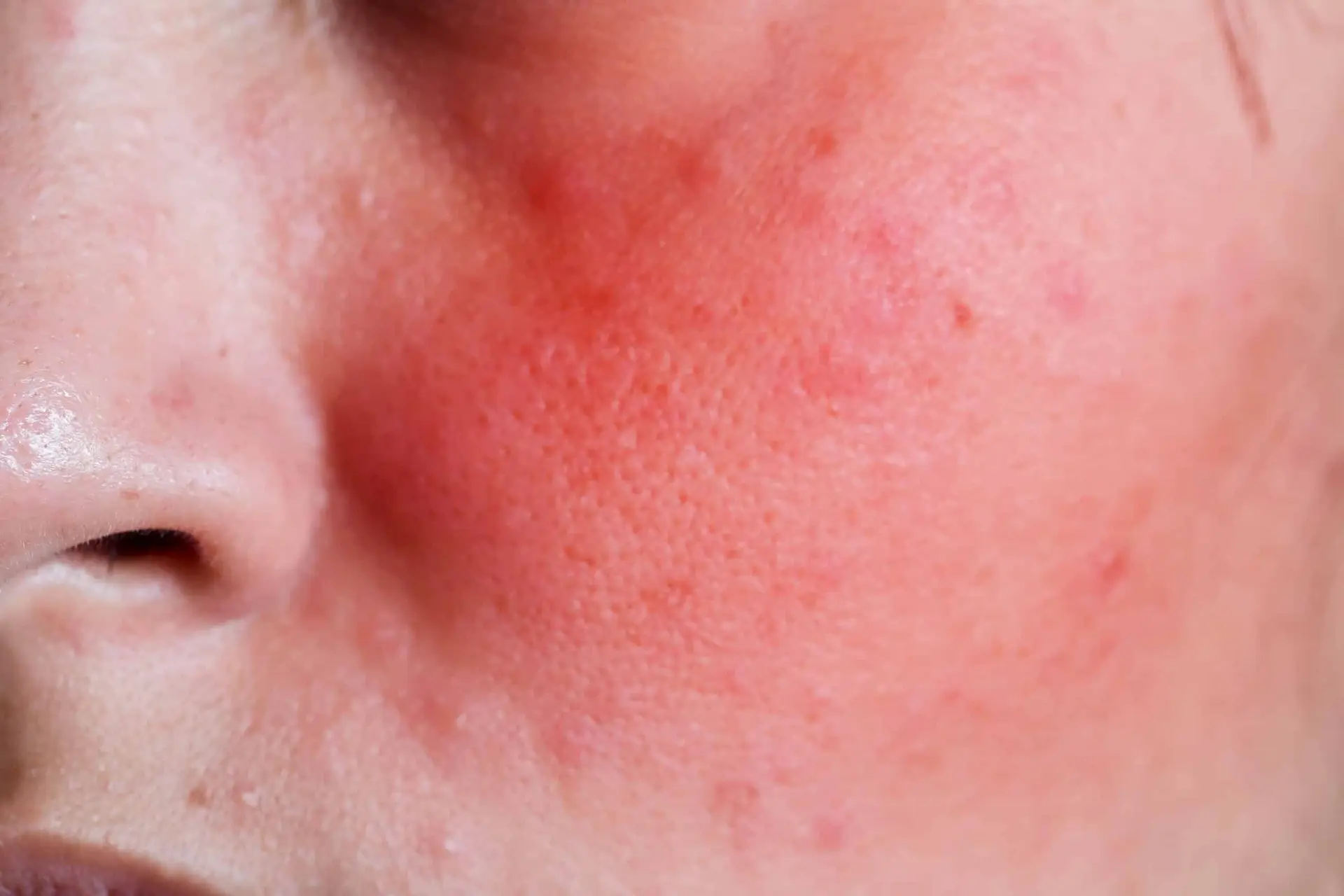
Rosacea management relies on trigger control, barrier repair and carefully selected in-clinic therapy matched to subtype. We assess erythematotelangiectatic, papulopustular and sensitivity patterns before treatment. Doctor-led plans aim to reduce flare frequency, calm redness and improve day-to-day skin tolerance.
Aetiology & Contributing Factors
Most skin and aesthetic concerns are multifactorial. Clinical assessment helps identify which contributing factors are most relevant in your case before treatment is selected.
- The exact cause of rosacea is not fully understood, but it involves a combination of genetic and environmental factors
- Abnormal immune response and inflammatory pathways in the skin
- Neurovascular dysregulation causing increased blood flow and flushing
- Demodex mites, which are present in higher numbers on rosacea-affected skin
- Triggers including sun exposure, heat, alcohol, spicy food, stress and certain skincare products
- Genetic predisposition — rosacea often runs in families
Clinical Presentation
Presentation varies by skin type, severity and duration. These are common clinical signs we assess during consultation.
- Persistent facial redness, typically across the cheeks, nose, chin and forehead
- Frequent flushing or blushing episodes
- Visible blood vessels (telangiectasia) on the face
- Papules and pustules resembling acne (papulopustular rosacea)
- Skin sensitivity, stinging or burning sensations
- Thickened skin, particularly on the nose (rhinophyma) in advanced cases
- Eye involvement including dryness, irritation and redness (ocular rosacea)
Evidence-Based Treatment Modalities
Treatment selection is individualised following clinical assessment, taking into account disease severity, Fitzpatrick skin type, medical history and patient goals. You can also review our consultation standards before booking.
Cutera Excel V+ treatment for rosacea
Cutera Excel V+ is a medical vascular laser that targets the dilated blood vessels and diffuse redness associated with rosacea. Using 532nm and 1064nm wavelengths, it can reduce visible telangiectasia, persistent facial redness and flushing. Treatment is planned by indication and skin type after clinical assessment.
Lumenis M22 treatment for rosacea
Lumenis M22 IPL uses targeted light energy to reduce rosacea-related redness, visible blood vessels and flushing. IPL protocols are customised to your skin type and rosacea subtype, with staged sessions for safe, progressive improvement.
Dermalux Triwave MD treatment for rosacea
Dermalux LED phototherapy uses specific wavelengths of light to reduce inflammation, calm redness and support skin barrier repair. It is a gentle, non-invasive treatment well-suited to the sensitive skin associated with rosacea. Suitability and sequencing are confirmed during your consultation.
Chemical Peels treatment for rosacea
Gentle, medical-grade chemical peels can improve rosacea-related skin texture and reduce the appearance of papules and pustules. Peel type and strength are carefully selected by your doctor to avoid triggering a flare-up. Suitability and sequencing are confirmed during your consultation.
In-Depth Guides
Explore clinically reviewed guides for detailed background, treatment pathways and recovery expectations related to rosacea.
Compare IPL and vascular laser approaches for persistent redness and flushing.
Vascular-focused laser guidance for facial vessels and rosacea-associated redness.
How M22 IPL pathways are planned for redness and mixed skin concerns.
Why we start with a consultation
Every treatment begins with a medical assessment. We need to understand your medical history, current health, skin condition and concerns before prescribing any procedure. This protects your safety and ensures the treatment is clinically appropriate for you.
During your consultation, your clinician will explain what the treatment can realistically achieve, any risks specific to you, and whether an alternative might be more appropriate. Consultations are carried out by our doctors or advanced aesthetic practitioners, depending on the treatment or concern being assessed.
All bookings are subject to our Booking Conditions.
Not sure what you need?
Try our free AI skin analysis to identify your main concerns and see suggested treatments.
Start free skin analysis →Clinical FAQs: Rosacea
These answers cover common practical questions. For individual diagnosis and treatment advice, book a medical consultation.
Plan Your Next Step
Use these links to review consultation standards, check treatment pricing, and request a doctor-led assessment.
Clinical Summary
Clinical Governance
- Rosacea management is overseen by experienced doctors who understand the condition's chronic, fluctuating nature
- We offer vascular laser (Cutera Excel V+), IPL (Lumenis M22), LED therapy and carefully selected peels — matched to your rosacea subtype
- Your treatment plan includes trigger identification and skincare guidance alongside clinical treatments
Book a Consultation
Request a medical assessment for your rosacea with our clinical team.
Book NowCall 01628 202028Not sure what you need?
Try our free AI skin analysis to identify your main concerns and see suggested treatments.
Start free skin analysis →Related Conditions
Explore related condition pages for differential context and linked treatment options.
Further Reading & Clinical References
The following external resources provide independent clinical and regulatory information.
This content is for informational purposes only and does not constitute medical advice. Individual suitability for any treatment is assessed during a consultation. Always seek the guidance of a qualified medical professional with any questions regarding a medical condition or treatment.
- CQC registered clinic — regulated and inspected
- Doctor-led clinical oversight by Dr Selena Langdon (GMC 6159259)
- Complaints process and patient rights
Page last reviewed: March 2026
Reviewed by Dr Selena Langdon, Medical Director (GMC 6159259) — Last reviewed: February 2026
Request a Clinical Assessment
Book a medical consultation to discuss diagnosis and an individualised treatment protocol.