 Skip to main content
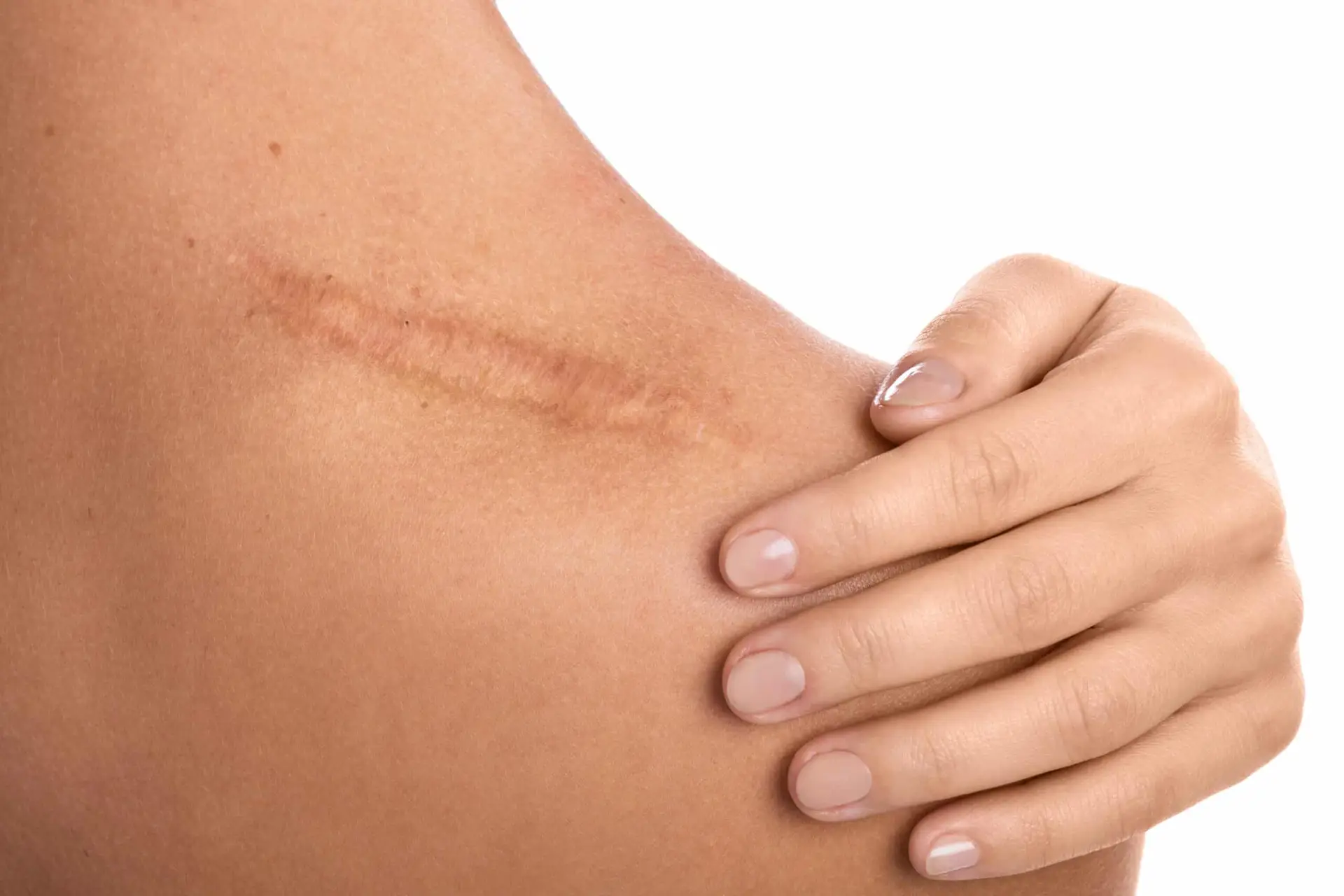
Minor Ops in Maidenhead
Minor ops are clinician-performed in-clinic procedures covering benign lesion removal, xanthelasma management, acne-scar subcision and milia removal, undertaken under local anaesthetic with histology where indicated. Treatment route, clinician level and procedural setting are selected according to indication, anatomical risk and governance requirements.
Book ConsultationClinical overview
Minor procedures are offered under a consultation-first model with clear consent and documented suitability criteria. At Berkshire Aesthetics, minor ops pathways may involve doctor-delivered treatment, therapist-delivered components under protocol, or staged care depending on diagnosis and risk profile.
Service scope includes lesion removal on face and body, xanthelasma pathways, acne-scar subcision in suitable cases, and milia extraction. We prioritise safety, governance, and clear escalation pathways where histology, onward referral or different specialist input is indicated.
All minor procedures are carried out under local anaesthetic where appropriate, using sterile technique and with structured wound-care plans. Where a lesion requires histological analysis, specimens are sent to an accredited laboratory with results reviewed and communicated to the patient. If clinical findings at any stage suggest a lesion that falls outside our clinic scope — for example, a suspected melanoma or lesion with atypical features — we refer promptly to the appropriate NHS or specialist pathway rather than proceeding with cosmetic removal.
Treatment Areas
Skin tags
Skin tags are common benign growths that often appear on the neck, axillae and body folds. They can be removed quickly in clinic using appropriate technique after clinical assessment confirms they are benign.
Moles (benign)
Benign moles that are cosmetically bothersome can be removed after thorough clinical assessment. Any mole with suspicious features is referred for specialist evaluation rather than treated in clinic.
Cysts
Epidermal and pilar cysts can be excised under local anaesthetic when clinically appropriate. Complete removal of the cyst wall reduces the risk of recurrence.
Small lipomas
Small, superficial lipomas suitable for clinic-based excision can be removed under local anaesthetic. Larger or deeper lipomas may require onward referral for surgical removal.
Milia
Milia are small, hard keratin-filled cysts that commonly appear around the eyes and cheeks. They are extracted using a sterile needle technique after skin assessment.
Key Benefits
These are the main clinical and practical reasons patients choose Minor Ops in Maidenhead. Your treatment plan is tailored after consultation rather than selected from a fixed package.
- CQC-relevant, clinically governed procedural service
- Clear assessment pathways for lesion, xanthelasma and scar-related concerns
- Medically supervised selection of suitable technique and operator level
- Structured consent and aftercare with clear safety-net advice
- Option to combine with scar-remodelling pathways where clinically appropriate
Suitable For
Suitability depends on your goals, skin or tissue characteristics, medical history, and tolerance for downtime. These criteria are reviewed in detail during your assessment.
- Patients with benign-appearing skin lesions suitable for clinic-based removal
- Patients seeking management options for xanthelasma
- Selected patients with rolling acne scarring suitable for subcision pathways
- Patients with cosmetically bothersome milia requiring extraction
- Adults able to follow post-procedure wound care and review plans
Not Suitable For
Some patients should avoid or defer treatment for safety reasons. We screen carefully before any procedure and explain alternatives where relevant.
- Suspicious lesions requiring urgent dermatology or surgical oncology referral
- Active infection in the treatment area
- Patients with contraindicated bleeding risk without appropriate medical clearance
- Patients unable to comply with wound-care instructions
- Pregnancy or breastfeeding where procedural timing should be deferred for non-urgent concerns
Final suitability is confirmed during a medical consultation and assessment.
When we don't recommend it
A consultation may identify scenarios where a different treatment route is safer or more effective for your outcome goals.
- If lesion characteristics require urgent specialist referral rather than cosmetic clinic removal.
- If scar pattern is unlikely to benefit from subcision and a different remodelling pathway is safer.
- If aftercare adherence is uncertain and complication risk is therefore avoidably increased.
- If diagnosis is unclear and further dermatological work-up is needed first.
What Happens During Treatment
We follow a consultation-first process with clear consent and aftercare. You can also review our full consultation standards.
- 1Consultation with diagnosis, risk assessment and consent discussion
- 2Procedure planning including clinician level, anaesthetic strategy and expected recovery
- 3Treatment delivery under sterile protocol
- 4Wound-care instructions and safety-net guidance
- 5Follow-up review where clinically indicated
Downtime & Aftercare
Recovery guidance helps protect your result and reduce avoidable complications. We provide written aftercare and safety-net advice at every appointment.
- Recovery varies by procedure type and treatment area
- Mild redness, swelling, tenderness and temporary crusting are common
- Keep treated areas clean and follow written wound-care instructions
- Avoid friction, picking and unnecessary irritants until healed
- Use photoprotection to reduce post-inflammatory pigment risk
Results Timeline
Most treatments improve in stages rather than immediately. Timelines vary by treatment type, treatment area, and individual response.
- Immediate procedural change may be visible, with early healing over days to weeks.
- Final cosmetic outcome may take several weeks depending on procedure depth and site.
- Subcision pathways often require staged review and adjunctive remodelling treatment.
How Long Results May Last
- •Removed lesions or milia may not recur in the same way, but new lesions can develop over time.
- •Xanthelasma can recur and may require maintenance or further staged treatment.
- •Scar outcomes from subcision improve progressively and may need combination therapy.
Individual results vary. View our results and photography standards
Risks & Side Effects
Every medical treatment carries potential risks. We discuss these in plain language before treatment so you can make an informed decision.
Common, Usually Temporary
- •Temporary redness, swelling, bruising or tenderness
- •Short-term crusting or scabbing while healing
- •Temporary pigment change during recovery
Rare but Serious
- •Infection requiring treatment
- •Prolonged pigment change or textural change
- •Scarring beyond expected healing
When to Contact Us Urgently
- •Increasing pain, heat, spreading redness or discharge from the treated area
- •Bleeding that does not settle with advised pressure
- •Unexpected healing pattern or any symptom causing concern
Frequently Asked Questions
These answers cover common practical questions. If you need individual advice, please book a medical consultation.
Quick Facts
Treatment Time
Typically 20-60 minutes depending on procedure
Downtime
Variable by procedure and anatomical site
Results Visible
Visible procedural change with staged healing
Sessions
Single or staged depending on indication
Delivered by
Dr Selena Langdon — Medical DirectorMBBS, CoolSculpting Complications Expert, Aesthetic Doctor of the Year (Safety in Beauty Diamond Awards 2021), JCCP Ambassador
Why Berkshire Aesthetics
- CQC-registered medical clinic — all treatments clinically overseen by Dr Selena Langdon (MBBS)
- CQC registered — view our registration
- Consultation-first approach — we assess suitability before recommending treatment
- Clear complaints process — we take patient feedback seriously
This content is for informational purposes only and does not constitute medical advice. Individual suitability for any treatment is assessed during a consultation. Always seek the guidance of a qualified medical professional with any questions regarding a medical condition or treatment.
- CQC registered clinic — registered and regulated
- Clinical oversight and prescribing by Dr Selena Langdon (GMC 6159259)
- Complaints process and patient rights
Page last reviewed: 2026-03-10
Berkshire Aesthetics is a CQC-registered medical aesthetic clinic in Maidenhead. All treatments begin with a consultation to assess suitability, medical history, risks and realistic outcomes.
Why we start with a consultation
Every treatment begins with a medical assessment. We need to understand your medical history, current health, skin condition and concerns before prescribing any procedure. This protects your safety and ensures the treatment is clinically appropriate for you.
During your consultation, your clinician will explain what the treatment can realistically achieve, any risks specific to you, and whether an alternative might be more appropriate. Consultations are carried out by our doctors or advanced aesthetic practitioners, depending on the treatment or concern being assessed.
All bookings are subject to our Booking Conditions.
Not sure what you need?
Try our free AI skin analysis to identify your main concerns and see suggested treatments.
Start free skin analysis →Medical oversight and clinical governance
- Treatment suitability is assessed by our doctors or advanced aesthetic practitioners during a clinical consultation, depending on the treatment
- Prescribing responsibility sits with Dr Selena Langdon (GMC 6159259)
- No same-day injectable treatments for new patients
- Read our full Consultation & Safety Standards
Plan your next step with pricing, consultation guidance, and related treatment pathways.
Compare Treatment Options
Use these clinical comparison pages to understand differences in indications, longevity and downtime.
Concerns This Treatment Addresses
Each concern below explains the causes, what the assessment looks at, and every option we would consider — not only this one.
Alternatives You May Want to Consider
Every patient is different. These treatments address similar concerns and may be more suitable depending on your goals and medical history.
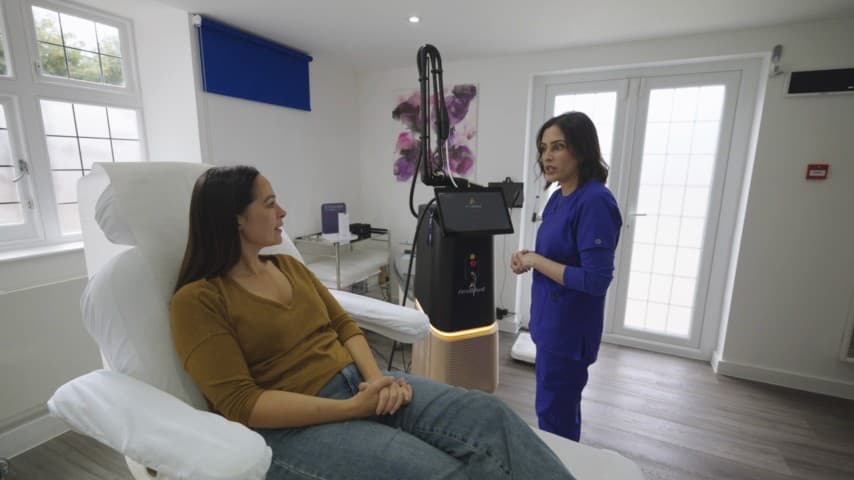
Alma Hybrid CO2
Fractional CO2 laser treatment for selected resurfacing concerns.
- Skin resurfacing
- Scar reduction
- Collagen stimulation
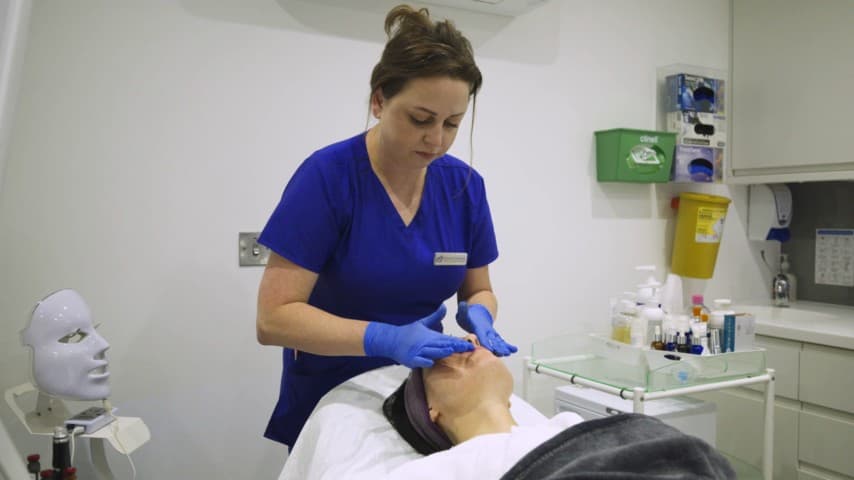
Morpheus8
Radiofrequency microneedling for selected patients with skin laxity, acne scarring, texture and pore concerns.
- Skin tightening
- Texture support
- Acne scar planning
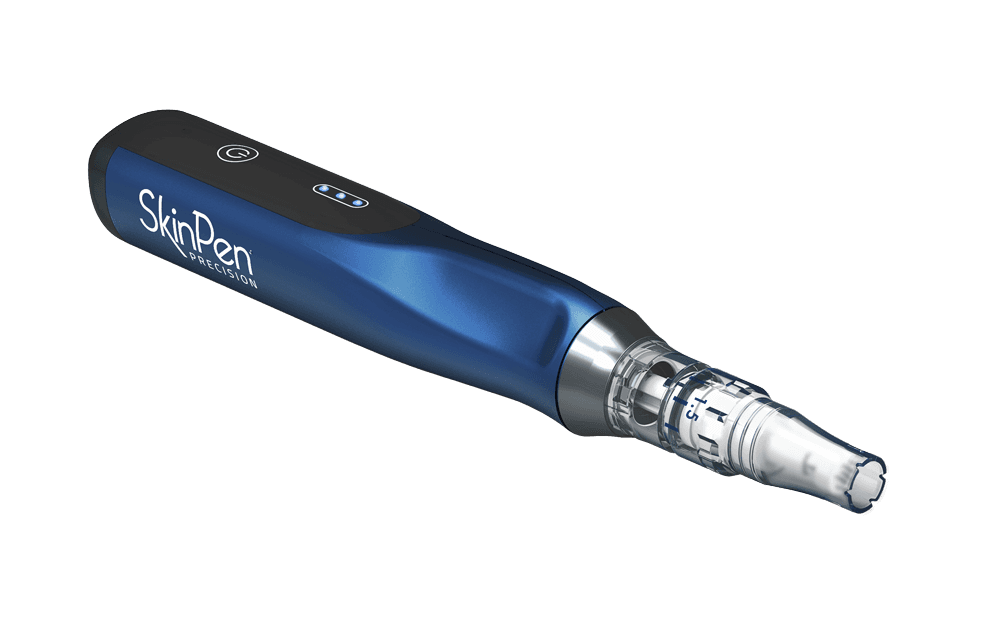
SkinPen Microneedling
Medical microneedling for acne scarring, fine lines, pores and uneven texture. Suitable for all skin tones.
- Collagen stimulation
- Scar reduction
- All skin tones
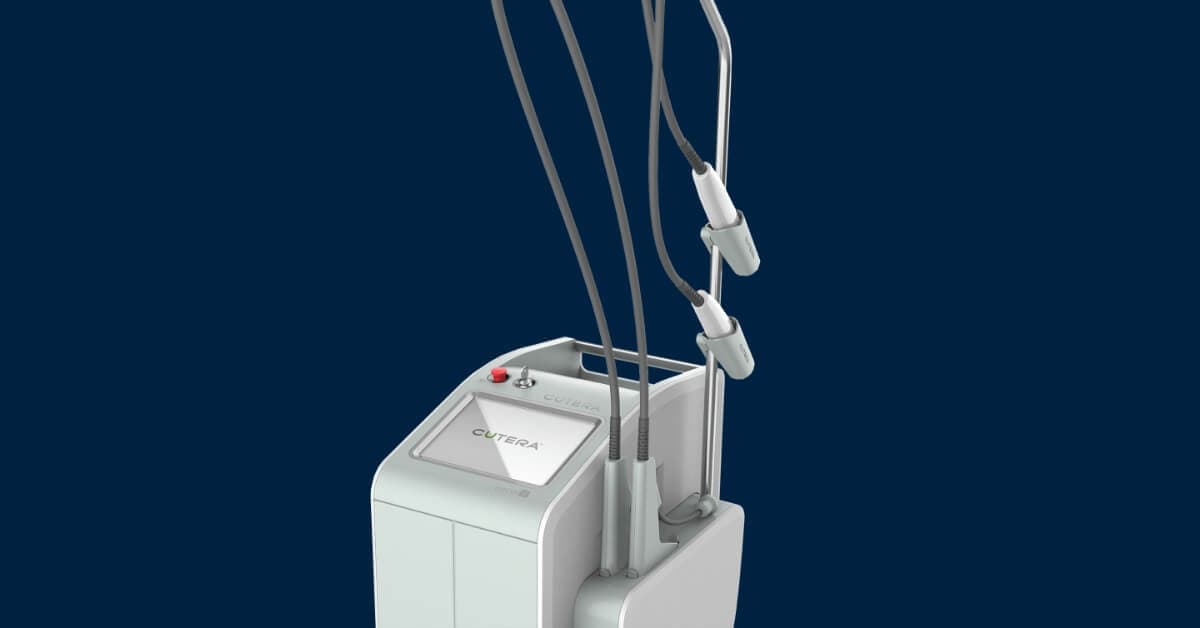
Cutera Excel V+
Medical vascular and pigment laser platform for rosacea, vascular lesions, diffuse redness, pigmentation and selected acne scar protocols.
- Targets vascular and pigment concerns
- Versatile facial and body indications
- medical treatment planning
Further Reading & Clinical References
The following external resources provide independent clinical and regulatory information.
- Scars— NHS
- Scar treatment— DermNet

Start With a Medical Consultation
Every treatment begins with a face-to-face assessment with our clinical team.